Acid Dyes vs Direct Dyes: A Substrate-by-Substrate Selection Matrix
Most dye selection mistakes are not chemistry failures — they are specification failures. A buyer receives a fastness target, opens a supplier's product list, and matches on colour and price. The substrate gets a passing thought. Weeks later the batch is re-dyed, re-shipped or rejected, and the argument starts about "bad dye" when the real problem was direct dye pushed into a chrome-tanned drum. Acid and direct dyes both carry an anionic charge, which makes them look like siblings on a data sheet. They are not. This guide gives you a substrate-by-substrate matrix, the parameters that actually drive the decision, and the QC evidence to demand before the bulk order. For the class-level chemistry first, read our earlier piece on acid dyes vs direct dyes; this one is the decision tool.
Key Takeaways
- The substrate picks the dye class, not the colour. Protein and polyamide go acid; cellulose and paper go direct.
- Both classes are anionic and water-soluble — that is where the similarity ends. Acid dyes exhaust in an acid bath; direct dyes need an electrolyte, not acid.
- Within each class, grade matters more than class. Metal-complex acid dyes and fixative-assisted direct dyes behave completely differently on fastness from their leveling counterparts.
- Penetration on chrome-tanned leather is the single fastest way to tell the two apart in a trial — acid dyes penetrate through the cross-section, direct dyes sit near the surface.
- Ask for strength percentage against a reference, a batch COA, retained samples and ZDHC MRSL conformance for the exact product code — in writing, before the contract.
What Is the Acid-vs-Direct Decision Really About?
Both dye classes are built on sulfonated, water-soluble molecules that carry a negative charge in the dyebath. What separates them is how they are designed to attach, and therefore which substrate they will actually hold on to.
Acid dyes are engineered for substrates that can be made cationic. Lowering the bath pH protonates the amino groups in wool, silk and nylon, giving positively charged sites that attract the anionic dye molecule. On chrome-tanned leather, the acid environment conditions the chromium complexes so the collagen fibre behaves the same way. This is why acid dyes are the default for wet-end drum dyeing: pH becomes your control lever for how deep and how level the colour goes. Grades range from leveling (excellent levelness, modest wet fastness) through milling (better wash fastness) to 1:2 metal-complex (the workhorse when wash and rub fastness are the binding constraint).
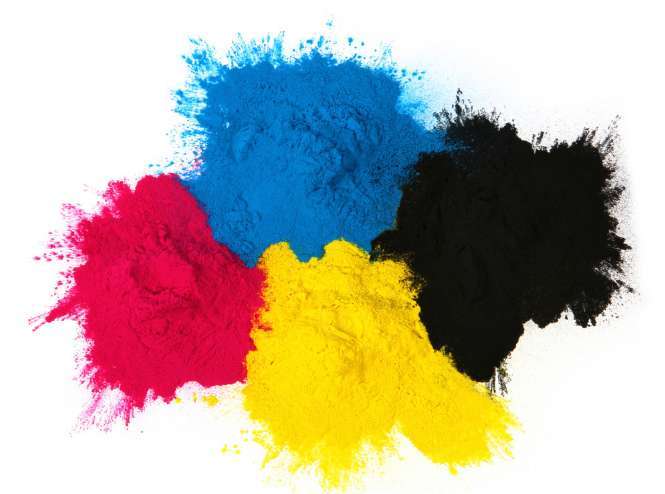
GLIDE™ dye powders — the anionic classes discussed in this guide, ready for lab dip and bulk supply.
Direct dyes are designed for cellulose. Their larger, flatter molecules develop substantivity for cotton, linen, viscose and paper through hydrogen bonding and van der Waals attraction rather than ionic bonding. Because dye and wet cellulose repel each other electrostatically, exhaustion only works when an electrolyte — common salt or sodium sulfate — suppresses that barrier. Direct dyes are the volume workhorse of the cotton dyehouse and the pulp mill, and their wet fastness is moderate, so on demanding specs a cationic fixative is part of the recipe, not an optional extra.
The practical consequence: "which one is better?" is unanswerable. The answerable question is "which substrate and fastness spec, on which machine, with which water?"
Technical Specifications at a Glance
Products within each class vary by grade and manufacturer, so use this as a framework for the conversation with your supplier — not as a replacement for the technical data sheet of the specific product code.
| Parameter | Acid Dyes | Direct Dyes |
|---|---|---|
| Ionic character | Anionic (sulfonate groups) | Anionic (sulfonate groups) |
| Substrate affinity | Protein and polyamide — cationic sites | Cellulose and cellulose pulp — direct substantivity |
| Typical application pH | 3.0–6.0 (acid bath) | 6.5–9.0 (neutral to mildly alkaline) |
| Exhaustion driver | Acid, pH ramp, temperature | Electrolyte (NaCl / Na₂SO₄), temperature |
| Typical process temperature | Leather drum 50–65 °C; textile 60–100 °C | 70–100 °C depending on substrate and equipment |
| Grade families | Leveling, milling, 1:1 and 1:2 metal-complex | Standard, salt-controlled, metal-free, aftertreated |
| Aftertreatment common | Fatliqour / fixing for rub and wet fastness | Cationic fixative or resin for wash fastness |
| Typical strength basis | Standardised against reference standard | Standardised against reference standard |
| Compliance options | ZDHC MRSL conformant grades available | ZDHC MRSL conformant grades available |
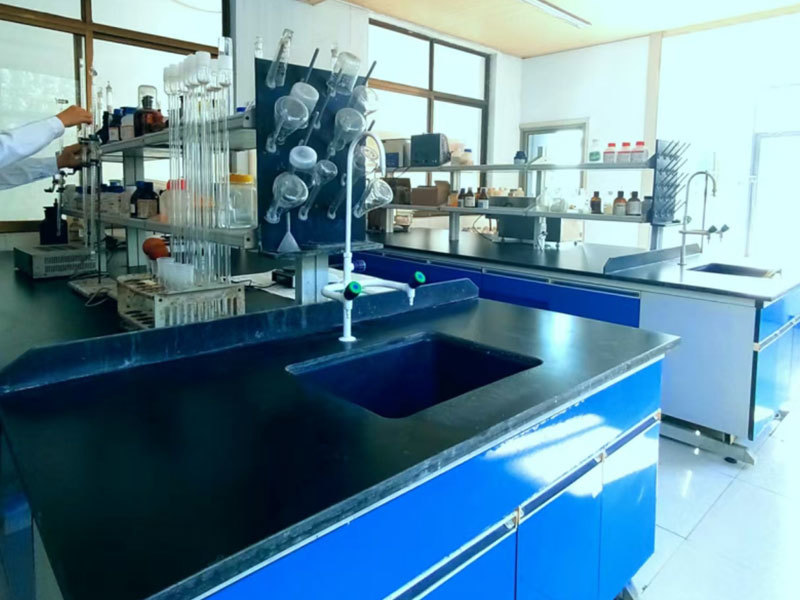
Shade matching and strength verification in the GLIDE™ lab — where class and grade are confirmed before bulk.
Substrate-by-Substrate Selection Matrix
This is the table to photograph and pin above your colour kitchen. Find your substrate on the left, read across for the class that fits, and note the caveat in the last column.
| Substrate | First choice | Usual grade | Watch out for |
|---|---|---|---|
| Chrome-tanned leather (wet-blue, crust, retan) | Acid dyes | Leveling for pale shades; 1:2 metal-complex for wet/rub fastness | Penetration is pH-driven — confirm through-dye on a cross-section, not on the surface |
| Vegetable-tanned / vegetable-retanned leather | Acid dyes | Leveling or milling | Retanning system changes the available cationic sites — re-check the recipe after any wet-end change |
| Wool and silk | Acid dyes | Leveling for pale, milling for medium and dark | Over-acid baths risk fibre damage; ramp pH, do not drop it fast |
| Nylon / polyamide | Acid dyes | Milling, or metal-complex where light fastness matters | Polyamide has limited dye sites — heavy shades are built by dye selection, not by over-dosing |
| Cotton, linen | Direct dyes | Standard with cationic fixative for wash fastness | If the customer spec demands high wash fastness, reactive dyes may be the honest answer |
| Viscose / rayon | Direct dyes | Standard, salt-controlled exhaustion | Viscose is sensitive to handling — levelness depends on salt dosing profile |
| Paper pulp and paper surface | Direct dyes | Pulp and surface grades selected for retention and bleed | Mill white-water chemistry affects retention — validate on the machine, not only in the lab |
| Fur and protein hair | Acid dyes | Selected for levelness on skin-and-hair | Skin and hair absorb at different rates; levelness testing is substrate-specific |
Acid vs Direct on the Criteria Buyers Argue About
| Criterion | Acid Dyes | Direct Dyes |
|---|---|---|
| Penetration depth | Deep through the substrate at lower pH | Typically surface-dominated on dense substrates |
| Shade brilliance | Very good, especially leveling grades | Good for cellulose, generally less brilliant |
| Wet fastness as supplied | Low to moderate for leveling; high for metal-complex | Moderate; step change only with a fixative |
| Leveling control lever | pH ramp and temperature | Salt dosing profile and temperature |
| Process sensitivity | Water hardness and pH drift | Electrolyte quality and liquor ratio |
| Main cost driver | Metal-complex chemistry and strength | Strength, plus fixative cost in the recipe |
| Compliance | ZDHC MRSL conformant grades available | ZDHC MRSL conformant grades available |
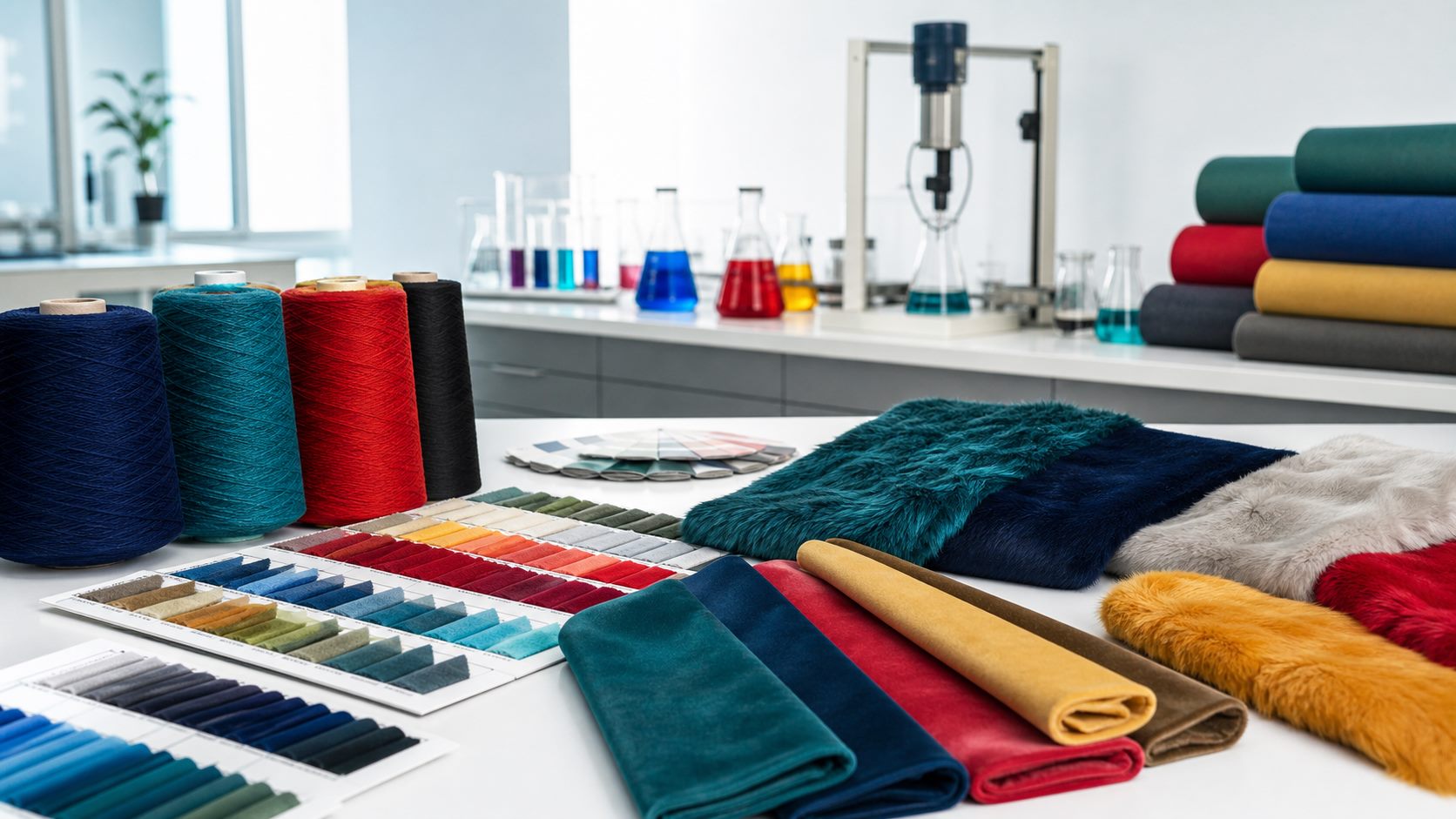
Protein and polyamide substrates — the working territory of acid dyes.
How to Choose the Right Option in 5 Steps
- Lock the substrate description in writing. "Leather" is not a substrate. Write down chrome-tanned wet-blue or crust, vegetable-tanned, retanned system used, and whether the colour must be through-dyed or surface-only. For textiles, name the fibre blend and the yarn or fabric form.
- Collect the fastness targets before you request a quote. Wash, rub, perspiration and light targets come from your customer's spec or brand RSL. High wet fastness on leather or nylon points towards metal-complex acid dyes; a demanding wash spec on cotton means either direct dye plus a fixative, or a different class entirely. Decide that now, not after the first rejection.
- Audit your process conditions against the class. Bath pH range, achievable temperature, liquor ratio, equipment type (drum, jigger, jet, winch), and — critically — your plant water. Hard water interferes with acid dye exhaustion and can shift shade; if you have never tested your water, test it before the trial.
- Compare candidate products on equal terms. For each shortlisted product, request strength percentage against a reference standard, a shade card, the batch COA, and the ZDHC MRSL conformance document naming that product code. A quote without a strength basis is not comparable.
- Run the pilot on production equipment. Lab beakers flatter every dye. Run the candidate in your own drum or machine, with your water, on production material, and check levelness, cross-section penetration, and fastness before releasing a bulk PO.
Quality-Control Evidence to Demand From Any Supplier
Dye is a raw material with batch-to-batch variation, and that variation shows up as a re-dye. Every well-run dye factory can produce these documents; the ones that cannot are telling you something.
- Batch COA — strength against standard, shade deviation, moisture, insolubles, and the test methods used.
- Spectrophotometric shade report — each batch measured against the retained standard within an agreed ΔE tolerance, not judged by eye under a window.
- Fastness test reports — wash, rub, light and perspiration results to recognised methods such as the ISO 105 series, ideally from or witnessed by an independent laboratory.
- Retained samples — a sealed sample of every batch held by the supplier so a shade or strength dispute can be settled with evidence rather than correspondence.
- ZDHC MRSL conformance documentation covering the exact product code, not a generic certificate for the company.
- MSDS and composition statement with the shipment so your own EHS team can review it before the drums are opened.
GLIDE™, the dye brand of Dezhou Jinmao Chemical Co., Ltd., issues a COA with every batch, retains a sealed sample per lot, and can arrange third-party fastness testing. Ask for the document set together with your sample — before you sign a bulk contract, not after the first complaint.
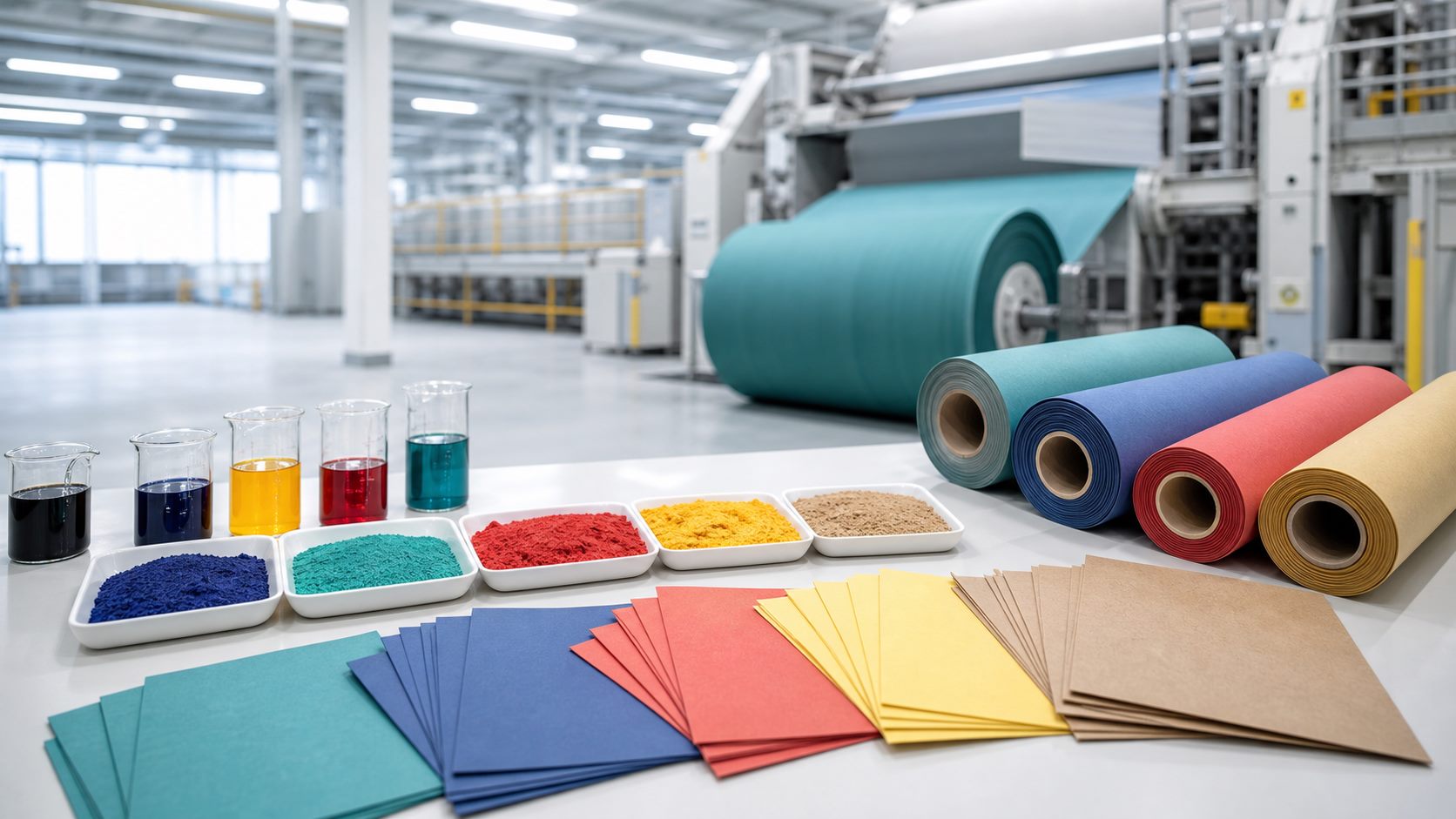
Cellulose and paper substrates — where direct dyes do the heavy lifting.
Packaging & Shipping Considerations
Dye powders are hygroscopic and classified as chemical goods, so packaging and documentation discipline matters as much as the chemistry. Standard export packing for GLIDE™ products is 25 kg fibre drums with a sealed polyethylene liner, palletised and shrink-wrapped for container loading. Store drums off damp floors and away from sunlight or heat, and reseal opened liners immediately — caked powder weighs the same but does not dissolve the same.
For sea freight, agree the document set at quotation stage: COA, MSDS, packing list, commercial invoice and bill of lading, with the correct HS code and any destination-specific requirements confirmed up front. Lead time depends on product code and quantity — single-code bulk orders schedule faster than custom blends or OEM packing — so confirm the production slot when you confirm the price.
Common Buyer Mistakes (and How to Avoid Them)
Buyer Checklist — Acid vs Direct Dye Order
Frequently Asked Questions
What is the single biggest difference between acid and direct dyes?
The exhaustion mechanism. Acid dyes need an acid bath to create cationic sites on protein and polyamide substrates; direct dyes need an electrolyte to overcome the charge barrier on cellulose. The substrate determines which mechanism you have.
Can I use direct dyes on leather?
Sometimes for surface shading, but not as a through-dye on chrome-tanned leather. Penetration and wet fastness are both inferior to acid dyes, which remain the standard for wet-end drum dyeing.
Can I use acid dyes on cotton or paper?
Practically, no. Cellulose has no significant cationic affinity for acid dyes, so exhaustion is poor and the result is usually a weak, unlevel shade. Use direct dyes for cellulose and paper, or a reactive system where the wash spec demands it.
How do I know if a dye is leveling, milling or metal-complex?
The technical data sheet and COA state the chemical type and grade. If it is not stated, ask the supplier to confirm in writing before you build a recipe around it — fastness performance differs sharply between grades.
Which class gives better wash fastness?
Grade beats class. Metal-complex acid dyes deliver high wet fastness on leather and nylon; standard direct dyes on cotton are moderate and typically need a cationic fixative to pass a demanding wash spec.
Do I need different equipment for the two classes?
Not necessarily — drums, jiggers and jets handle both — but the recipe parameters differ: acid dyes are controlled by pH ramp, direct dyes by salt dosing. Your SOPs and dosing sequence must reflect the class you are running.
Are both classes available as ZDHC MRSL conformant?
Conformant grades exist in both classes, but conformance is product-specific. Ask for the documentation that names the exact product code you intend to order, and keep it with the batch records.
Does GLIDE™ supply both acid and direct dyes?
Yes. GLIDE™ covers acid dyes for leather, wool, silk, nylon and fur, plus direct dyes for cotton, viscose and paper, alongside further product families for wood and anodised aluminium. Send your substrate, process conditions and fastness targets and the team will shortlist products and send samples with documentation.
Conclusion
Acid versus direct is not a preference — it is a match between chemistry and substrate. Get the fibre, tannage or pulp right, state the fastness targets before you request pricing, confirm the grade rather than just the class, and validate on your own water and equipment. Do those four things and the re-dye disappears from your cost structure. The rest is documentation discipline: strength against reference, batch COA, retained samples and product-specific conformance, held with the batch records.
Send Us Your Substrate and Fastness Spec
Tell the GLIDE™ team at Dezhou Jinmao Chemical Co., Ltd. what you are dyeing, on which machine, and to which fastness target. We will shortlist the right class and grade, send samples with COA and conformance documents, and stay with your pilot run until the shade is approved.
Request samples and a technical consultation:
📧 info@dyespro.com | 📞 +86 138 6922 6336 | 💬 WhatsApp: +44 7895 584241
Dezhou Jinmao Chemical Co., Ltd. — Manufacturer of GLIDE™ dyes
Factory: Dezhou, Shandong Province, China
📞 Factory: +86 138 6922 6336 | 💬 WhatsApp: +44 7895 584241 | 📧 Email: info@dyespro.com
Website: www.dyespro.com