Acid Dyes vs Direct Dyes: Which One Fits Your Production?
If you run a tannery, a textile dyehouse, or a paper mill, the acid-versus-direct question is one of the first your lab will hit — and one of the most expensive to get wrong. Both classes are water-soluble anionic products, so it is easy to assume they are interchangeable and buy on price. They are not. Acid dyes bond to protein and polyamide substrates through ionic attraction in an acid bath; direct dyes use a completely different mechanism to stain cellulose. Pick the wrong class and you get poor penetration, dull shades, and a batch that fails fastness testing at your customer's door. This guide explains the chemistry in plain terms, compares both classes side by side, and gives you a five-step selection process plus a checklist for your lab.
Key Takeaways
- Acid dyes are the working class for chrome-tanned leather, wool, silk, and nylon — they exhaust in an acid bath (pH 3–6) onto cationic sites.
- Direct dyes have direct substantivity for cellulose — cotton, viscose, and paper — and need salt, not acid, to exhaust.
- Both classes are anionic; the substrate decides which one works, not the color you are trying to match.
- Fastness is formulation-specific: metal-complex acid dyes deliver the highest wet fastness on leather and nylon; direct dyes generally need cationic fixatives for demanding wash fastness.
- Qualify strength, shade standard, and ZDHC MRSL conformance with written documents before you commit to a bulk order.
What Are Acid Dyes and Direct Dyes?
Both classes are anionic dyes whose sulfonate groups make them water-soluble and negatively charged. The similarity ends there.
Acid dyes are applied from an acidic bath, typically pH 3–6. The acid protonates amino groups in protein fibers (wool, silk) and polyamide (nylon), and conditions the chromium complexes in chrome-tanned leather, creating positively charged sites that attract the anionic dye. Because the bond is ionic, bath pH is the main control lever for levelness and penetration. Within the class, leveling grades give excellent levelness but modest wet fastness, milling grades better wash fastness, and metal-complex grades (1:1 and 1:2) the highest wet fastness — the usual choice for demanding wash and rub specs. On leather, acid dyes are the standard for wet-end drum dyeing, where pH controls penetration depth, and for spray finishing.
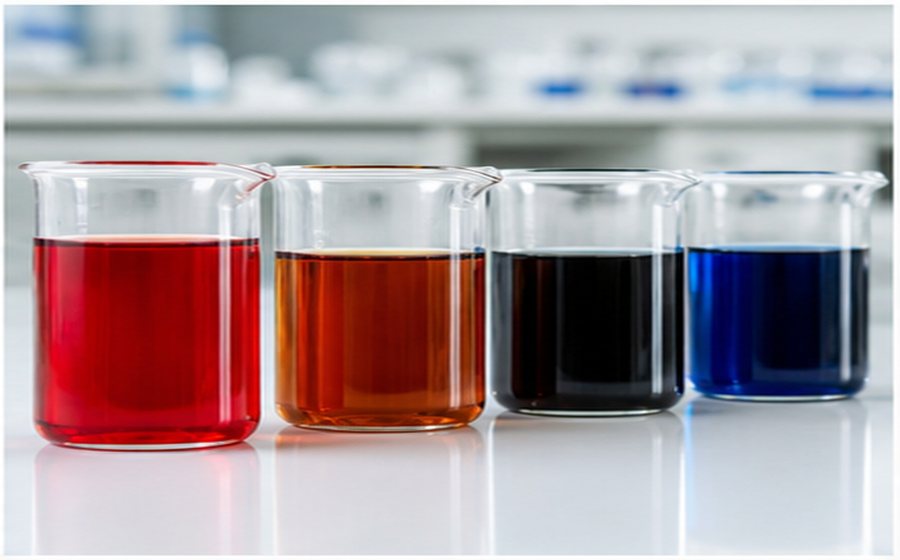
GLIDE™ acid dye powders — the workhorse class for leather and polyamide dyeing.
Direct dyes are built for cellulose. Their large, mostly planar molecules develop direct substantivity for cotton, viscose, linen, and paper through hydrogen bonding and van der Waals forces. Because both dye and wet cellulose carry negative charge, an electrolyte — common salt or sodium sulfate — is needed to reduce the charge barrier and drive exhaustion. Direct dyes are workhorses of the cotton dyehouse and the paper industry for surface and pulp coloring. Their wet fastness is moderate at best, so cationic fixatives and resin aftertreatments are standard when wash fastness matters. On leather they play only a supporting role, because they do not penetrate chrome leather the way acid dyes do.
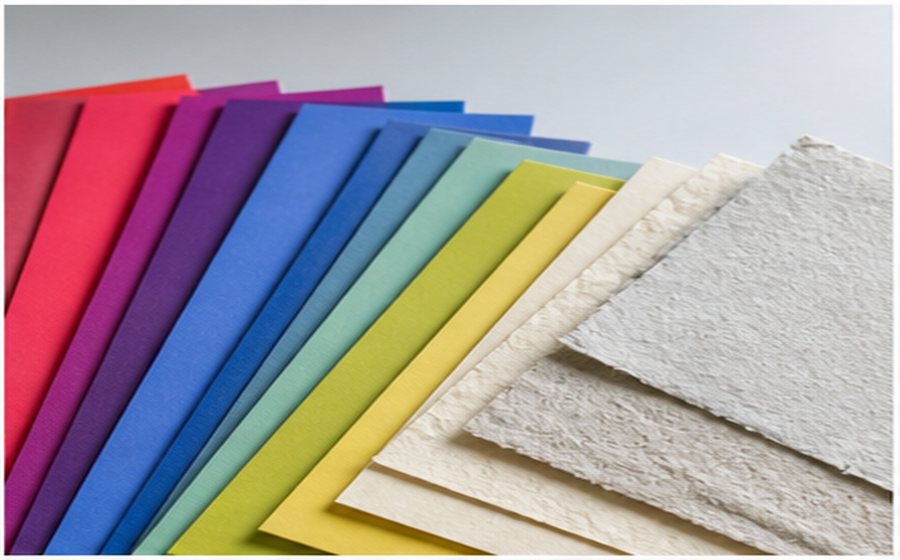
GLIDE™ direct dye powders — the cellulose and paper workhorse class.
Technical Specifications at a Glance
Individual products within each class vary, so treat these as starting points for your supplier conversation, not as a substitute for a product data sheet.
| Property | Acid Dyes | Direct Dyes |
|---|---|---|
| Ionic charge | Anionic (sulfonate groups) | Anionic (sulfonate groups) |
| Primary substrates | Chrome leather, wool, silk, nylon | Cotton, viscose, linen, paper |
| Typical application pH | 3.0–6.0 (acid bath) | 6.5–9.0 (neutral to slightly alkaline) |
| Typical temperature | 50–65 °C leather drum; 60–100 °C textile | 70–100 °C |
| Electrolyte required | No — acids drive exhaustion | Yes — salt (NaCl or Na₂SO₄) is essential |
| Main bonding mechanism | Ionic attraction to cationic amino/chrome sites | Hydrogen bonds + van der Waals forces to cellulose |
| Wet fastness profile | Leveling: low–moderate; milling/metal-complex: moderate–high | Moderate; improved with cationic fixatives |
| Typical end uses | Leather wet-end dyeing; nylon/wool yarn and fabric | Cotton/viscose piece dyeing; paper coloring |
| Commercial strength | Standardized vs. reference | Standardized vs. reference |
Acid Dyes vs Direct Dyes: Side-by-Side Comparison
Here is how the two classes compare on the criteria purchasing managers actually argue about:
| Criterion | Acid Dyes | Direct Dyes |
|---|---|---|
| Best fit | Leather (chrome), nylon, wool, silk | Cotton, viscose, linen, paper |
| Levelness | Good; controlled by pH ramp and temperature | Good; controlled by salt dosing and temperature |
| Penetration on leather | Deep penetration achievable at lower pH | Limited; mostly surface tone |
| Shade brilliance | Brilliant, especially leveling grades | Good but often less brilliant |
| Wet fastness | Metal-complex grades: high | Moderate; needs fixative for demanding specs |
| Relative cost | Higher for metal-complex grades | Generally lower per kilo |
| Compliance | ZDHC-conformant grades available | ZDHC-conformant grades available |
How to Choose the Right Dye Class in 5 Steps
- Identify the substrate — no exceptions. Confirm exactly what you are dyeing: chrome-tanned leather (wet-blue, crust, retan), wool, nylon, cotton, viscose, or paper. Polyester is neither class — that is disperse dye territory.
- Write down the fastness targets before you call a supplier. Gather wash, rub, perspiration, and light fastness requirements from your customer spec or brand RSL. High wet fastness on leather or nylon points to metal-complex acid dyes; demanding wash fastness on cotton means direct dyes plus a planned fixative step.
- Match the class to your process conditions. Consider bath pH, temperature, equipment (drum, jigger, jet, continuous range), and your plant water — hard water can interfere with acid dye exhaustion.
- Compare like for like on strength and shade. Ask every shortlisted supplier for the strength percentage against a reference standard, a shade card, a COA, and the ZDHC MRSL conformance document covering the exact product code.
- Pilot on your own line before the bulk order. Lab results are a starting point. Run the candidate through your actual drum or machine settings, with your water, and check levelness, penetration, and fastness on production material.
Quality-Control Evidence to Demand From Any Supplier
No reputable buyer accepts a dye shipment on trust. These are the documents a well-run dye factory should produce without being pushed:
- Batch COA: certificate of analysis per batch — strength percentage, shade deviation against the standard, moisture, insolubles, and tests performed.
- Spectrophotometric shade check: each batch matched against the retained standard (ΔE within agreed tolerance), not just visually eyeballed.
- Fastness test reports: wash, rub, light, and perspiration tests to recognized methods (such as the ISO 105 series), ideally run or witnessed by an independent lab.
- Retained samples: the supplier keeps a sealed sample of every batch so shade or strength disputes can be settled objectively.
- ZDHC MRSL conformance documentation for the exact product code you are ordering.
GLIDE™, the dye brand of Dezhou Jinmao Chemical Co., Ltd., issues a COA with every batch, keeps retained samples for every lot, and can arrange third-party fastness testing. Ask for these documents with your sample — before you sign a bulk contract.
Packaging & Shipping Considerations
Dye powders are hygroscopic, so packaging discipline matters as much as dye chemistry. Standard export packing for GLIDE™ dyes is 25 kg fiber drums with a sealed polyethylene liner, palletized for container loading. Keep drums off damp floors and out of direct sunlight; reseal opened liners immediately. For sea freight, agree the documentation set up front: COA, MSDS, packing list, commercial invoice, and bill of lading. Lead time depends on the product and quantity — single-code bulk orders ship faster than custom blends — so confirm production scheduling when you confirm the price.
Common Buyer Mistakes (and How to Avoid Them)
Buyer Checklist — Acid vs Direct Dye Order
Frequently Asked Questions
Can direct dyes be used on leather?
Rarely as a primary dye. Direct dyes have limited penetration into chrome-tanned leather and weaker wet fastness than acid dyes, which remain the standard for through-dyeing.
Why do acid dyes need an acid bath?
Acid protonates the amino groups in wool, silk, and nylon, and conditions the chrome complexes in leather, creating the cationic sites that attract the anionic dye. Without the acid, there is poor exhaustion.
Why do direct dyes need salt?
Both dye and wet cellulose carry negative charge, repelling each other. Salt ions reduce that charge barrier so the dye's substantivity can pull the dye onto the fiber.
Which class has better wash fastness?
It depends on the grade, not the class. Metal-complex acid dyes offer high wet fastness on leather and nylon; standard direct dyes give moderate wash fastness on cotton and need a fixative to meet demanding specs.
Are both classes ZDHC MRSL compliant?
Conformant grades exist in both classes, but compliance is product-specific. Ask for the ZDHC MRSL conformance document covering the exact product code you intend to order.
Can I use acid dyes on cotton or direct dyes on nylon?
Neither swap works well. Acid dyes have little affinity for cellulose; direct dyes on nylon give inferior fastness.
How do I know which class my current dye belongs to?
Check the COA or technical data sheet — the dye class and chemical type are stated there. If in doubt, ask the supplier to confirm in writing.
Does GLIDE™ supply both classes?
Yes. GLIDE™ covers acid dyes for leather, nylon, wool, and silk, plus direct dyes for cotton, viscose, and paper. Send your substrate and fastness requirements and the team will shortlist the right products with samples and documentation.
Still Unsure? Send Us Your Substrate and Fastness Spec
Acid versus direct is a decision your lab should make once and get right. The GLIDE™ team at Dezhou Jinmao Chemical Co., Ltd. supplies both classes to tanneries, dyehouses, and paper mills worldwide. Tell us your substrate, fastness targets, and compliance scheme — we will shortlist the right products, send samples with COA and conformance documents, and support your pilot run until the shade is approved.
Start with a free consultation and trial samples:
📧 info@dyespro.com | 📞 +86 138 6922 6336 | 💬 WhatsApp: +44 7895 584241
Dezhou Jinmao Chemical Co., Ltd. — Manufacturer of GLIDE™ dyes
Factory: Dezhou, Shandong Province, China
📞 Factory: +86 138 6922 6336 | 💬 WhatsApp: +44 7895 584241 | 📧 Email: info@dyespro.com
Website: www.dyespro.com