Dye Fastness Testing: How to Read the Report Before You Release a Bulk Dye Order
Somewhere in your quality file is a fastness report with a row of numbers on it — 4, 4–5, 4, 3. It was accepted at goods-in, filed, and never looked at again. Then a customer returns a shipment because the black crocks onto a white lining, and the report turns out to have been run on a different substrate, to a method nobody wrote down.
Fastness numbers are not measurements the way a pH reading is. They are the output of a specific method, on a specific sample, judged against a specific scale — change any of the three and the number moves. This guide covers what the tests do, how to read a report line by line, and how to build a sampling and retention protocol that survives an audit.
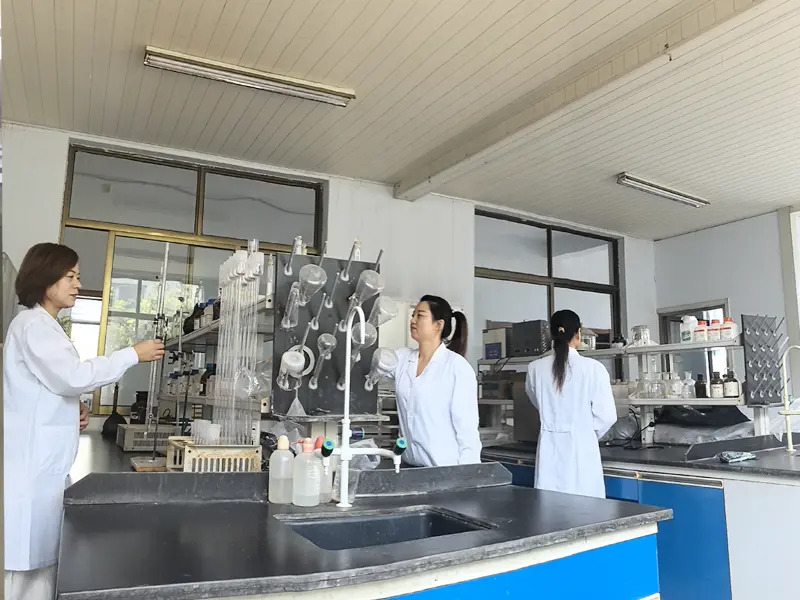
A fastness grade describes a method, a sample and a judgement — not an intrinsic property of the dye.
Key Takeaways
- A grade without a method and a year is not a specification. "Rub fastness 4" means nothing until you know it was ISO 105-X12 or AATCC 8, dry or wet.
- Test the finished article, not the crust. Fatliquor, topping and finish films move rub and water fastness more than the dye does.
- Grey scale is five points with half steps. A 4 and a 4–5 are different commercial claims, and both directions — colour change and staining — must be reported.
- One swatch from one drum proves nothing about a lot. Sample across drums and across the run, and seal what you tested.
- Retention samples decide disputes. Without a sealed reference swatch from the approved lot, a complaint becomes an argument about whose substrate it was.
What Does a Fastness Test Actually Measure?
Fastness is resistance to change. The dye is fixed in the substrate; the test asks what happens when that substrate meets whatever moves it — rubbing, water, light, sweat, washing, heat. Every method follows the same structure: condition the sample, expose it under controlled parameters, let it recover, then compare against a reference scale.
That is why two labs can report different numbers for the same drum and both be right: crock pressure, conditioning humidity, bath temperature and adjacent fabric all move the result.
The two scales you will see
Colour change and staining are graded on the grey scale, 1 to 5 in half steps, where 5 is no perceptible difference and 1 is severe. Light fastness uses the blue wool scale, 1 to 8. A "6" on a light test and a "4" on a rub test are not on the same ruler — and tables that mix the two without labelling are one of the commonest errors in supplier literature.
Visual versus instrumental assessment
Grading by eye is permitted by the standards and remains the reference method, but it depends on the assessor, the light cabinet and the viewing geometry. A spectrophotometer repeats better across lots; the eye settles customer disputes better.
Technical Specifications: The Tests That Matter
You do not need every test in the catalogue — only the four or five that match how the article will be used, abused and cleaned.
| Property | Common Methods | Scale | What It Predicts in the Field |
|---|---|---|---|
| Rub / crocking | ISO 105-X12; AATCC 8 | Grey scale, dry and wet separately | Colour transfer to lining, upholstery, hands, packaging |
| Water | ISO 105-E01; AATCC 107 | Grey scale, change + staining | Rain spots, damp storage, sweat-adjacent staining |
| Water spotting | ISO 105-E07 | Grey scale, change + staining | The ring mark left by a single drop — the classic aniline complaint |
| Perspiration | ISO 105-E04; AATCC 15 | Grey scale, acidic and alkaline | Collars, cuffs, glove linings, shoe interiors |
| Light | ISO 105-B02; AATCC 16 | Blue wool 1–8 | Fading in shop windows, car interiors, display |
| Wash / laundering | ISO 105-C06; AATCC 61 | Grey scale, change + staining | Garment leathers, washable textiles, re-tan goods |
| Migration / bleed | Supplier or brand-specific | Visual or grey scale | PVC contact staining, interleaving transfer in storage |
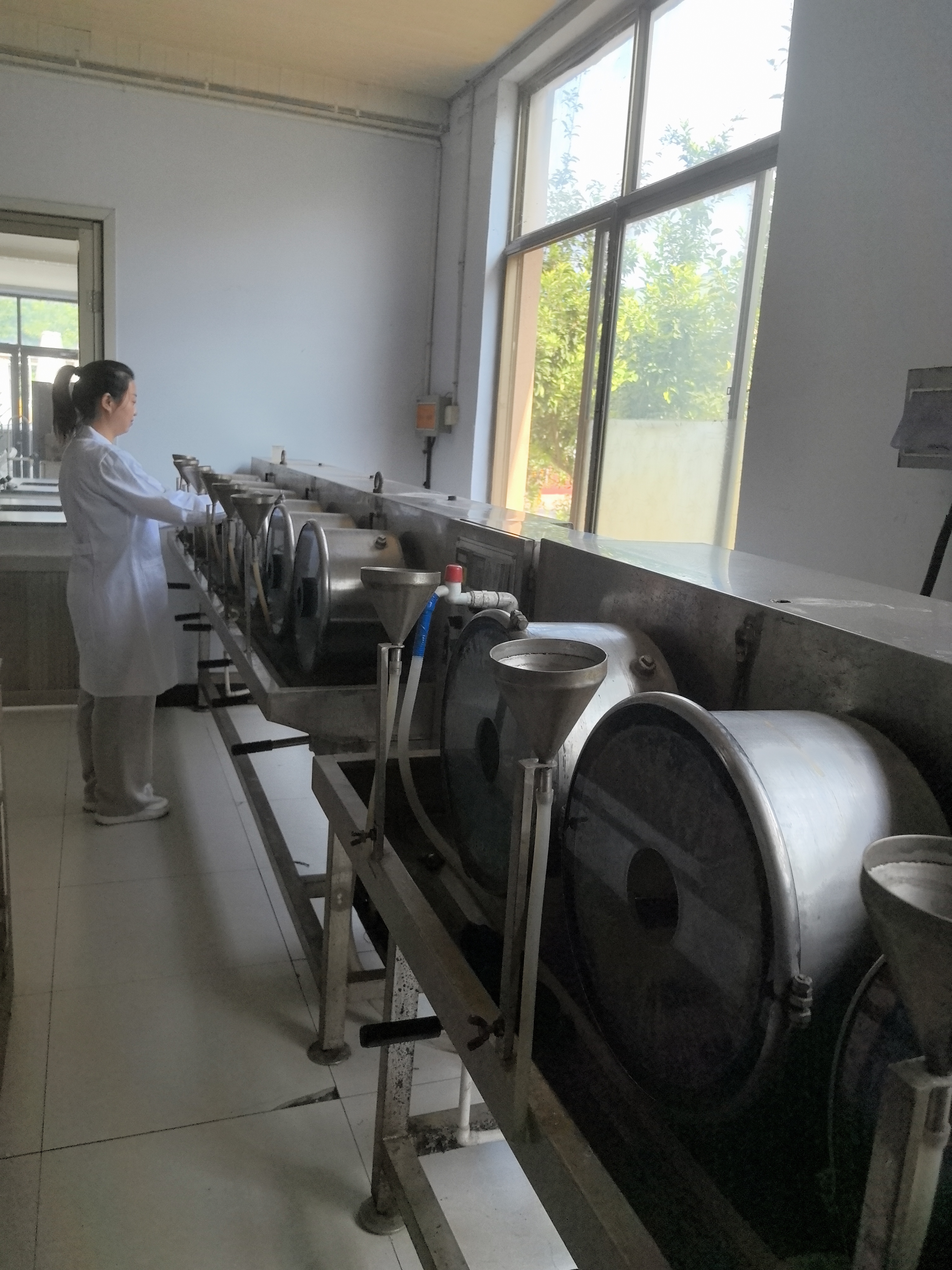
Sampling position matters: a swatch from the top of the drum is not a swatch from the batch.
Comparison of Options: Where the Evidence Comes From
Three sources of fastness data reach a buyer, and they carry very different weight. Knowing which one you hold decides what you can do with it.
| Source | Strength | Weakness | Best Used For |
|---|---|---|---|
| Supplier's own laboratory report | Fast, cheap, tied to a drum number | Self-assessment; method may be undocumented | Screening and trend tracking |
| Independent third-party laboratory | Impartial, method-controlled, defensible | Cost per test and lead time | Pre-shipment release and audit |
| Your own in-house bench | Your substrate, your water, fast turnaround | Needs equipment and trained assessors | Receiving checks and complaint triage |
| Brand or customer test house | Accepted by definition | You learn late, often on finished goods | Final verification on high-risk programs |
The practical arrangement is a triangle: supplier data for screening, in-house for routine release, third party for anything disputable. A single-source file is a single point of failure.
How to Read a Report in Five Steps
- Identify the sample before you read the result. Substrate and tannage, drum or lot number, production date, crust or finished article. A report that cannot be tied to a drum cannot be tied to a shipment.
- Check the method, revision year and conditions. ISO or AATCC number, dry or wet, temperature, contact time, adjacent fabric. Then confirm the method matches the end use you sell into.
- Read both directions of the scale. Colour change tells you the article faded or shifted; staining tells you what it did to whatever touched it. A report showing only one is incomplete, and staining generates most claims.
- Look for the light source. Visual grading should name the light cabinet and observer conditions. "Assessed visually" with no light source is indicative only.
- Compare against the spec, not the last report. A 4 against a 4 minimum is a pass even if the previous lot was 4–5. But a downward trend across three lots is a signal to re-test before the fourth ships.
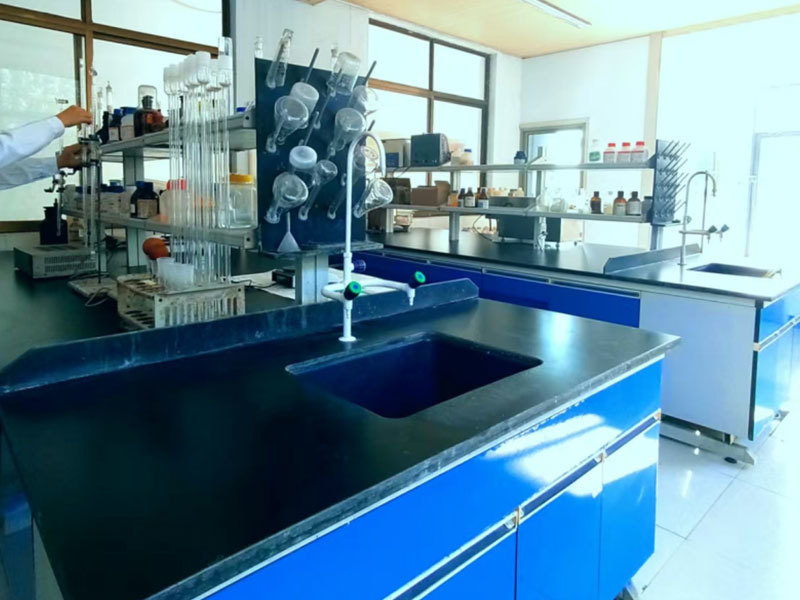
Conditioning space, light cabinet and a trained assessor are what separate a number from evidence.
Quality-Control Evidence: Building a File That Holds Up
No supplier can promise a grade on your substrate; any that does is describing a reference crust. What a supplier can offer is traceable, method-labelled data on the batch you are buying, plus a sealed sample of the material that produced it.
Four documents make a defensible file: a batch-specific certificate of analysis giving colour strength, moisture, solution pH and solubility, tied to the drum numbers on the packing list; a fastness report naming method, revision and conditions; a sealed retention sample of the approved lot; and a change-control note whenever the formulation or site changes, because a grade belongs to a formulation, not a trade name.
On a brand audit, the fastness file sits alongside the restricted-substance documentation, not instead of it. A dye can be conformant on chemistry and still fail on crocking.
Packaging, Sampling & Shipping the Evidence
Swatches travel badly if nobody plans for it. Cut samples large enough to run the test twice, label them with lot, drum and date in waterproof ink, and bag them individually — a swatch that has rubbed against a darker one in transit is ruined, not a failed dye. For third-party testing, ship the sample with the written method instruction, or the lab applies its default. Retention samples follow the same discipline: sealed, dry, and held for the contract period.
Five Mistakes Buyers Make with Fastness Data
Buyer Checklist: Fastness & QC File
Frequently Asked Questions
What is a good fastness rating for leather dye?
It depends on the article. Shoe uppers and automotive trim demand more wet rub and light resistance than bag linings. Use the minimum your customer's spec states — a higher grade costs money without buying what the market pays for.
Why do dry and wet rub fastness differ so much?
Water mobilises dye that is otherwise held in place and softens the surface film, so the finger reaches deeper. A large dry/wet gap points to incomplete fixation, poor penetration or a water-sensitive finish.
Can a dye supplier guarantee a fastness grade on my leather?
Not honestly. The grade depends on your tannage, fatliquor, finishing system and water as much as the dye. A supplier can give batch data on a reference substrate and a sample to test on yours; an unconditional guarantee usually means the spec was not understood.
How many samples should I test from a bulk order?
At least one composite per drum lot, plus samples across a long run. For brand-audited programs, have the lab draw them — a buyer-chosen swatch is easy to challenge.
Does a fastness report expire?
The report does not expire, but its relevance does. It applies to the batch tested, made to the formulation in force on that date. Change the formulation, the site or the revision and it describes material you no longer buy.
Is visual assessment still acceptable?
Yes — the standards are written around it. What matters is that light source, viewing conditions and assessor are stated. Instrumental readings track drift better but do not replace a customer's judgement.
Conclusion
Fastness testing is not a box to tick at goods-in. It converts a supplier's claim into something you can defend to a customer, a brand auditor or a claims handler — but only if the report names its method, identifies its sample and points to a drum you actually received.
Build the file around three habits: method plus grade rather than a bare number, test the article as sold, and keep a sealed sample of every approved lot. Those three settle most arguments before they start.
Need Fastness Data for Your Substrate?
Send us your article type, end use and the fastness methods your customer requires. We will confirm the suitable GLIDE™ dye grade, provide batch-specific data, and supply samples for your own bench trial.
Factory: +86 138 6922 6336 | WhatsApp: +44 7895 584241
Email: info@dyespro.com
Dezhou Jinmao Chemical Co., Ltd.
Manufacturer of GLIDE™ leather, textile, paper and fur dyes.
Dezhou, Shandong, China
Factory: +86 138 6922 6336
WhatsApp: +44 7895 584241
Email: info@dyespro.com
Web: www.dyespro.com