Dye Fastness Testing & Bulk-Order QC: Setting Specs You Can Actually Enforce
Every dye buyer has heard the phrase "good fastness" — and almost none can point to the number that makes it true. That gap is where money disappears. A container of dye arrives, your line dyes a trial lot, the customer washes a swatch and the colour bleeds: now nobody can prove whether the dye was out of specification, or whether the spec was ever written down. Fastness testing does not protect you as a report you file away. It protects you as a number you wrote into the purchase order, a grade a recognised standard measures, and a sealed sample you both hold. This guide walks through setting a fastness specification you can actually enforce, choosing the right standards and lab, and closing the loop from drum to claim.
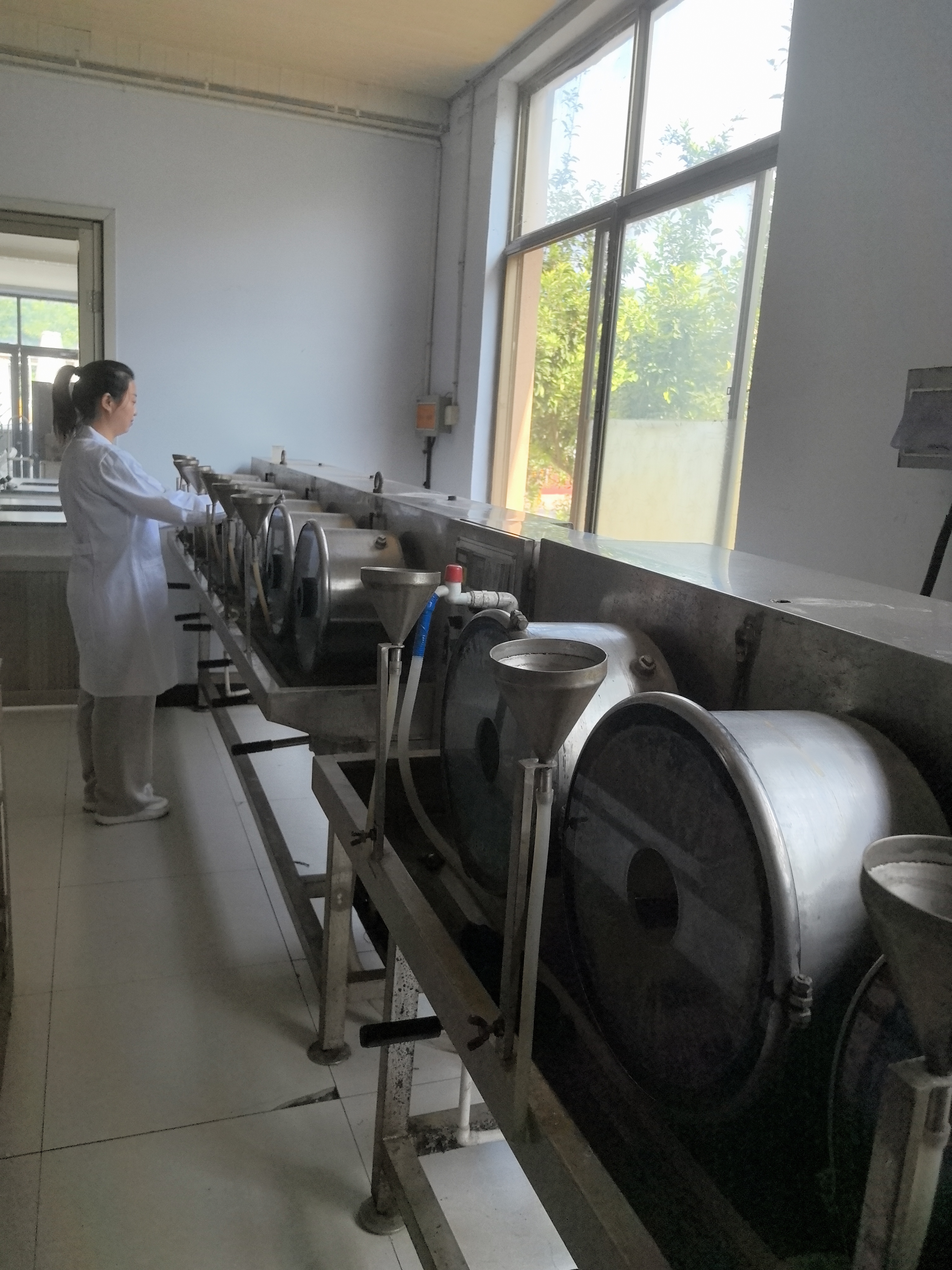
Fastness is measured on dyed goods, not on powder — testing drums reproduce the customer's process under controlled conditions.
Key Takeaways
- "Good fastness" is not a specification — a grade and a standard are. Write the standard (e.g. ISO 105-X12 for rub), the test condition and the minimum grey-scale grade into the PO, or you have nothing to enforce.
- Fastness is decided by your end use, not by the dye alone. A grade that passes for a bag lining fails on automotive upholstery exposed to light and perspiration. Match the spec to the finished article's service life.
- Grey scales are the shared language. Wash, rub, perspiration and light results are read against a 1–5 (or 1–8 for light) scale; a stated number is what turns an opinion into a claim.
- Test on the customer's substrate under the customer's process. A supplier's "typical values" are a starting point; only a lab dip on your own material proves the grade your line will deliver.
- Retention samples and a batch-numbered COA are your evidence trail. Hold a sealed sample of every shipped batch against the approved standard — that is what settles a dispute months later.
What Is Dye Fastness Testing, and Why Does the Grade Matter?
Colour fastness is the resistance of a dyed material to losing colour, or transferring it, under a given set of conditions. "Fastness testing" is simply the standardised way of measuring that resistance so two parties — a factory in China and a brand in Europe — can agree on the same number.
Each fastness type stresses the dyed good differently. Wash fastness measures colour loss and staining after laundering; rub (crocking) fastness measures transfer under dry and wet friction, critical for leather and dark shades against pale linings; perspiration fastness exposes the goods to acidic and alkaline sweat; light fastness measures fading under controlled illumination; and water and sea-water fastness matter for goods that get rained on.
Results are graded against grey scales: 1–5 for change in colour and for staining (5 is best), and 1–8 for light fastness. Standard series such as ISO 105 cover textiles and leather, while ISO 11640, 11641, 11642 and 11643 cover the rubbing, perspiration, water and light fastness of leather specifically. AATCC methods are common for US textile markets, and GB/T equivalents appear in Chinese domestic trade. The tests themselves are not the point — the grade you demand is.
Technical Specifications: Fastness Types and How They Are Graded
The table below is a starting reference, not a universal requirement. Your target grade depends on the end use and the brand's own restricted-substances and performance lists. Use it to structure the conversation, then confirm exact limits with your customer.
| Fastness type | What it stresses | Common standard series | Scale / range | Typical high-demand end use |
|---|---|---|---|---|
| Wash | Colour loss & staining after laundering | ISO 105-C06; AATCC 61 | Grey scale 1–5 (change & staining) | Garment textile, washable leather goods |
| Rub / crocking | Dry and wet friction transfer | ISO 105-X12; ISO 11640; AATCC 8 | Grey scale 1–5 | Leather, automotive, dark shades on pale linings |
| Perspiration | Acidic & alkaline sweat | ISO 105-E04; ISO 11641 | Grey scale 1–5 | Apparel, footwear, glove leather |
| Light | Fading under illumination | ISO 105-B02; ISO 11643; AATCC 16 | Blue wool 1–8 | Automotive upholstery, furniture, outdoor goods |
| Water / sea-water | Colour loss & staining when wet | ISO 105-E01 / E02; ISO 11642 | Grey scale 1–5 | Footwear, outerwear, marine textile |
Note on method versions: standard numbers carry year versions (for example ISO 105-X12:2016). Always state the full designation with the year in your specification, so the lab and the supplier are testing to exactly the version your customer's brand book references.
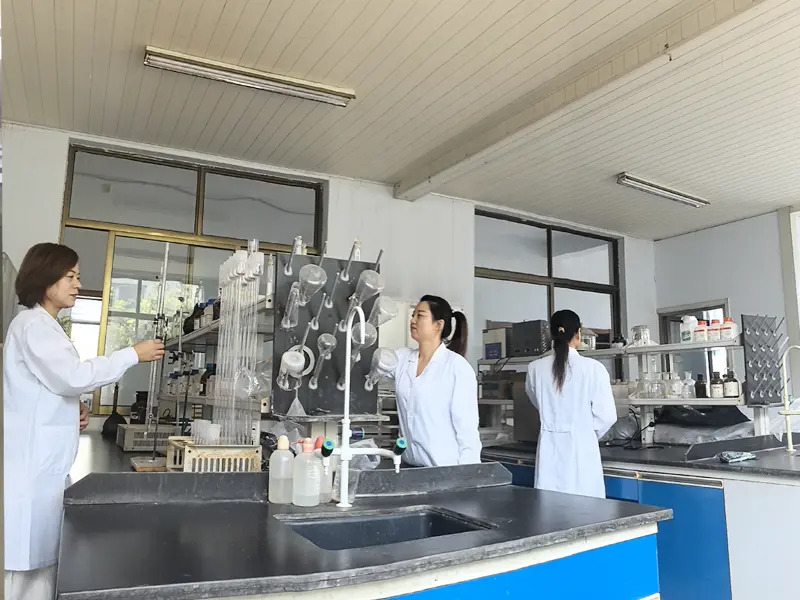
QC technicians prepare test pieces on the customer's substrate — the only swatch that predicts real production behaviour.
Comparison of Options: Where You Get the Fastness Evidence
You have three places to obtain fastness results, and they are not equal. The right answer is usually a combination — a supplier lab for routine pre-shipment screening, and an independent lab for the grades that carry commercial or brand-audit risk.
| Evidence source | What it gives you | Strength | Watch-out |
|---|---|---|---|
| Supplier in-house lab (COA / TDS) | Routine fastness values on the shipped batch | Fast, low cost, batch-linked, good for screening | Same party that supplies the goods is reporting the result |
| Your own lab dip & trial dyeing | Real behaviour on your substrate and process | Reveals substrate-specific problems a powder spec cannot | Needs a controlled, repeatable dyeing recipe to be meaningful |
| Independent third-party lab | Witnessed, impartial test report for disputes and brand audits | Defensible evidence; accepted by brands and buyers | Slower and costs money; sample handling must be sealed and traceable |
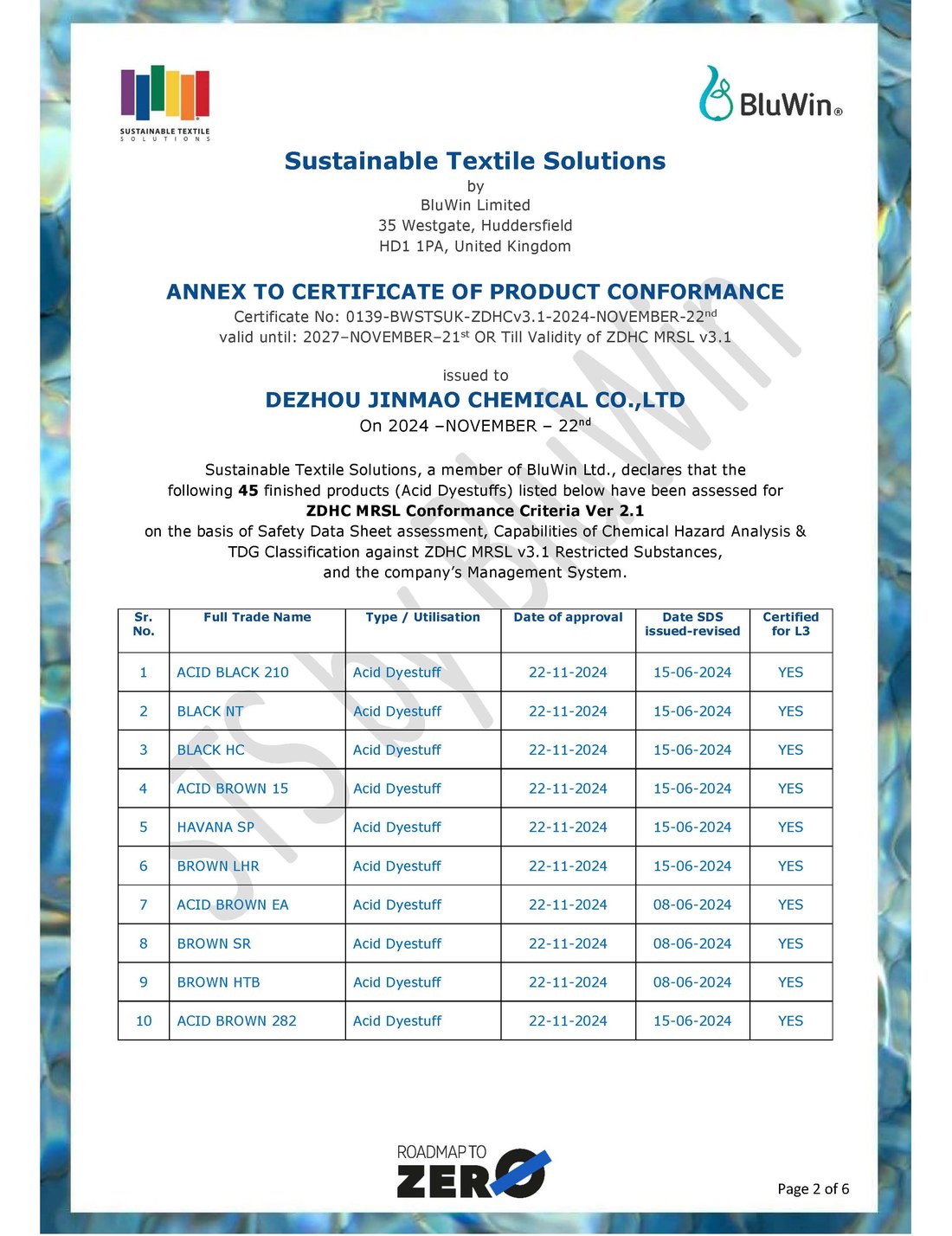
Certificates and test reports travel with the batch — verification is a document trail, not a verbal promise.
How to Choose and Enforce the Right Fastness Specification
Setting a fastness spec is a five-step discipline. Skip any step and you end up with a number nobody is bound to.
- Work backwards from the finished article. How will the customer use it — will it be washed, worn against skin, exposed to sunlight, rubbed against a lining? Each answer names a fastness type that must appear in your spec.
- Name the standard, condition and minimum grade. "Rub fastness, ISO 105-X12 (dry and wet), minimum grade 4" is enforceable. "Good rub fastness" is not. Where the brand publishes its own limit, use it.
- Get a lab dip on your own substrate and process. Ask the supplier to dye your material under your recipe and report the grades. This is the step that catches the substrate-specific failures a generic spec sheet hides.
- Decide who tests what. Use the supplier's in-house lab for routine batch screening, and budget for one independent test on first shipment or on high-risk grades — automotive light fastness, deep-shade wet rub, anything a brand audit touches.
- Fix the evidence at shipment. Require a batch-numbered COA stating the tested values, and a sealed retention sample of the shipped batch held by both parties for an agreed period. That is the mechanism that makes a late dispute resolvable.
Quality-Control Evidence: What a Credible Fastness Report Contains
Do not accept a fastness claim that cannot be traced. Whether the report comes from a supplier lab or an independent one, it should let you reconstruct exactly what was tested:
- Identified sample — substrate type, colour reference, and the batch or lot number the sample belongs to.
- The test method, with year version — e.g. ISO 105-X12:2016, stating dry and/or wet condition.
- The measured grade — a grey-scale number (or blue-wool number for light), not a word like "excellent".
- Test conditions — apparatus, duration, temperature or exposure where the method requires reporting.
- Date and lab identity — a test performed last year on an earlier batch tells you nothing about this shipment.
GLIDE™ dyes ship with a grade-specific technical data sheet and a batch-linked COA, and we run fastness tests and lab dips on customer substrates on request. Where a buyer needs an independent report, we support sampling and provide the sealed retention sample the third-party lab needs for a clean chain of custody.
Packaging, Sampling & Transit: Keeping the Evidence Intact
Fastness evidence is only as good as the sample behind it, and samples travel badly if nobody owns that step. A few practical points for the shipment half of bulk-order QC:
- Seal and label retention samples before dispatch. A sample bagged, signed and dated at the drum is defensible; a handful of powder posted weeks later is not. Keep it cool, dark and dry for the agreed period.
- Protect against sea-freight moisture. Drum liners, desiccant and unbroken pallet shrink-wrap keep the powder free of caking — a caked dye can disperse unevenly and shift the shade, which reads as a fastness failure on the line.
- Match the COA batch number to the drum marking. If the drum says one batch and the COA says another, the fastness report is worthless for that drum. Check it on arrival, before you open the liner.
Five Common Buyer Mistakes with Fastness Specs
1. Specifying a word instead of a grade. "Good fastness" or "standard fastness" cannot be measured or defended. Name the standard and the minimum grey-scale number, or you have no claim.
2. Testing on the wrong substrate. A fastness value measured on the supplier's standard swatch may not hold on your corrected-grain or your recycled-fibre blend. The substrate is half the result.
3. Using one generic spec for every market. A grade that satisfies a domestic bag line will fail an automotive or children's-wear brand list. Fastness requirements are set by the finished article and the brand, not by the dye class.
4. Accepting a COA with no batch number or test date. An undated, unbatched report tells you a dye can perform — not that your drum did. Insist the COA is tied to the shipped batch.
5. Skipping the retention sample. Without a sealed sample, a complaint raised three months after delivery becomes one party's word against another's. The sample is the cheap insurance that settles it.
Pre-Order Fastness & QC Checklist
Print this before you place the order
FAQ
What is a good fastness grade for leather?
There is no universal number — it depends on the article. A common working target for many leather goods is a grey-scale grade around 4 for dry rub and 3–4 for wet rub, with higher demands for automotive and light-exposed goods. Confirm the exact limit with your customer; the brand's requirement overrides any generic figure.
What does a grey-scale grade of 4 mean?
On both the change-in-colour and staining scales, 5 is best (no change) and 1 is worst (severe change). A grade of 4 means a small but acceptable change. Because grading is visual, results are assessed against the standard grey scale under controlled lighting — which is why the standard and condition must be named.
Why can the same dye show different fastness on my goods?
Fastness depends on the substrate, the depth of shade, the dyeing recipe and any after-treatment — not only on the dye. A deeper shade, a different tannage or an omitted fixation step can pull a passing dye below target, which is why a lab dip on your own material matters more than the powder's datasheet.
Should I always use a third-party lab?
Not for every batch — that gets expensive. A sensible split is supplier in-house testing for routine screening, plus one independent report on the first shipment or on grades that carry brand-audit or claim risk.
How long should I keep retention samples?
Agree it in writing. The sensible window covers the customer's warranty and any claim period that follows. Store samples sealed, dry and out of light so they still represent the shipped batch when you need them.
Does the dye class determine fastness?
Class sets the general level — metal-complex acid dyes, for example, commonly reach higher wet fastness than simple acid dyes — but within any class there are grades engineered for different targets. State the fastness you need and ask for a grade matched to it, backed by test results.
Can you test fastness on my own leather or fabric?
Yes. Send your substrate, shade target and dyeing parameters, and we will run a lab dip and report fastness results on your material. For orders needing independent verification, we support sampling and provide a sealed retention sample for the third-party lab.
Conclusion
Fastness testing protects your money only when it is attached to something you can enforce: a named standard, a tested condition, a minimum grade, and a sealed sample that outlives the shipment. Everything else is paperwork. Set the spec backwards from the finished article, prove it on your own substrate, split screening from independent verification, and hold the evidence both ways. Do that, and a fastness complaint becomes a two-line email instead of a lost container.
GLIDE™ dyes from Dezhou Jinmao Chemical Co., Ltd. ship with grade-specific technical data sheets and batch-linked COAs, and we run fastness tests and lab dips on customer substrates on request. Send us your article, your fastness target and your process — and we will tell you honestly what grade your goods will deliver, and how to prove it.
Need fastness evidence you can defend?
Send your substrate, target grades and process parameters — we will run a lab dip and issue a batch-linked fastness report.
Email: info@dyespro.com
Factory: +86 138 6922 6336 | WhatsApp: +44 7895 584241
Dezhou Jinmao Chemical Co., Ltd.
Manufacturer of GLIDE™ acid, direct, leather, textile, paper, wood and aluminium dyes.
Factory: +86 138 6922 6336
WhatsApp: +44 7895 584241
Email: info@dyespro.com
Web: www.dyespro.com