Which Leather Dye Fits Your Leather? A Type-by-Type Selection Guide for Buyers
A full-grain aniline hide, a corrected-grain corrected split, and a suede shoe upper can all be described as "brown leather" — and the same drum of dye will satisfy exactly one of them. That mismatch is one of the most common and most expensive mistakes we see from overseas buyers. The colour chip looks right, the lab dip looks right on a paper swatch, and then the first bulk lot comes back patchy, crocking, or two shades too dull under the customer's showroom lights. This guide works the way a tannery actually does: start from the leather type, then choose the dye class and parameters that suit it. You get the technical specs that matter, a comparison matrix, a five-step selection process, the QC evidence to demand, and the mistakes to avoid before you commit to a bulk order.
Key Takeaways
- Leather type decides dye class before colour does. Penetration, surface area, and finish design — not the target shade — determine whether you need a penetrating dye, a surface dye, or a layered combination.
- Aniline and semi-aniline leather punish levelness. With little or no pigment topcoat to hide it, migration, patchiness, and strike-rate problems show through. Levelness matters more than depth here.
- Suede and nubuck need penetration and rub fastness together. The dye must travel through a raised, open surface without sitting on the nap and crocking onto fabric or hands.
- Corrected grain and split leather tolerate surface colouration. Their finish layer hides minor unevenness, which widens your dye options and lowers cost — but the finish must be compatible with the dye system.
- Always dip on your own substrate. A supplier's swatch on a different tannage, thickness, or retan tells you almost nothing. Send the actual crust.
What Is Leather Dye Selection by Leather Type?
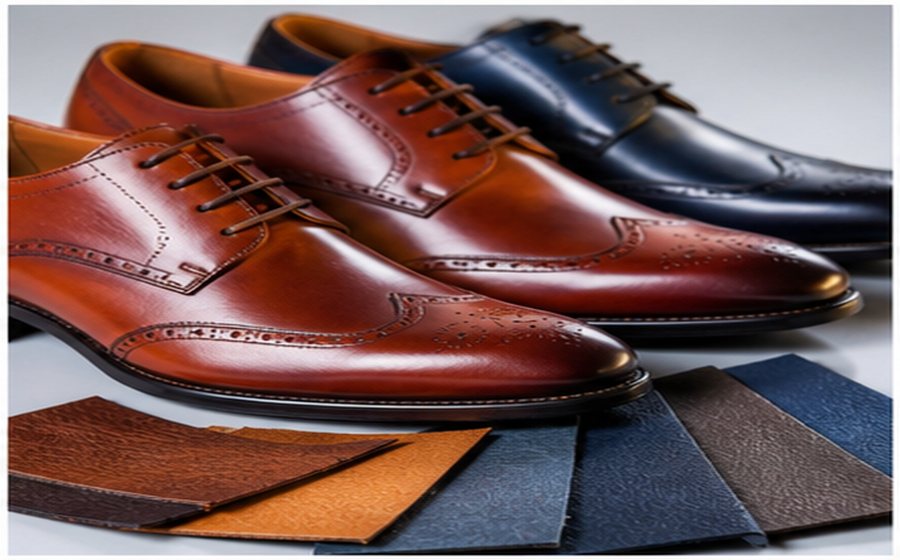
Leather dyes are specified by behaviour, not only by shade — the substrate decides the class.
Selecting by leather type means choosing a dyestuff for the surface you are actually colouring and the finish it will finally carry. Leather is not a single substrate. It ranges from a tight, intact grain full of natural character to a sanded, corrected surface engineered to be uniform, and to the exposed fibre network of suede and nubuck. Each presents the dye with a different problem.
On full-grain aniline leather, the grain is left largely visible, so the dye has to produce a level, rich colour and still let the natural markings speak. The dye's migration and levelling behaviour is everything here, because nothing will cover a mistake. On corrected-grain and split leather, the grain has been buffed or the surface is a split with a finish built on top. That finish — a base coat, pigment coat, and topcoat system — becomes the real colour carrier, so the dye's job shifts toward consistent base colouration that the finish can build on predictably.
Suede and nubuck are the opposite case. The surface is open, fibrous, and matt. Colour has to be driven into the fibre, and anything left sitting on top of the nap will rub off. Automotive and upholstery leather add an entirely different driver: lightfastness and rub fastness, because these hides live in daylight and under constant mechanical contact for years.
The instinct to start with a colour chip is natural, but it reverses cause and effect. The shade you can achieve is a consequence of the class that survives your leather, your retan, and your finish. Get the class right and the shade follows; get it wrong and no amount of dye will hold the colour you promised your customer.
Technical Specifications That Decide Leather Dye Fit
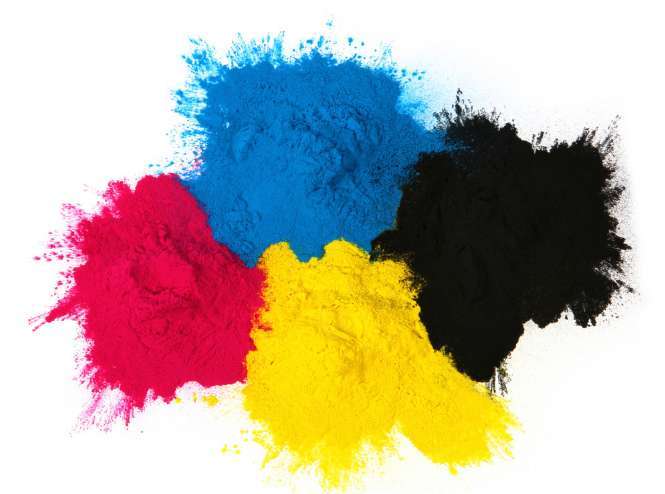
Powder dyestuffs for leather — ask for a figure, not an adjective, on each parameter below.
When you evaluate a leather dye sample, these are the parameters that predict whether it will work in your tannery. Ask for each in writing, and verify what you can on site.
| Parameter | Why It Matters for Leather | Where It Bites First |
|---|---|---|
| Penetration / strike depth | Surface-only colour layers over an unfixed base and can crack when flexed | Full-grain aniline, thick crust |
| Levelling / migration | Controls how evenly colour spreads across grain variation | Aniline and semi-aniline |
| Substantivity / exhaustion | Drives dye pickup and the colour load left in your effluent | Drum dyeing, retan baths |
| Lightfastness | Determines whether the shade survives daylight and UV exposure | Automotive, upholstery, footwear |
| Rub / crock fastness | Surface colour that transfers onto fabric or skin | Suede, nubuck, matt finishes |
| pH sensitivity window | Shade shifts as the float pH moves through the drum | Acid dyeing after retan |
| Temperature sensitivity | Over-heating dulls or red-shifts certain shades | Hot drum dyeing, fixing stages |
| Anionic / cationic compatibility | Incompatible auxiliaries cause precipitation or spotting | Fatliqouring and finishing auxiliaries |
| Physical form and dusting | Dosing accuracy and operator exposure in manual weighing areas | Weigh station, drum charging |
Comparison: Leather Type vs Dye Behaviour and Finish
The table below maps the main leather types onto the dye behaviour they demand and the finish they usually carry. It is a starting point for the conversation with your tannery technical team — not a substitute for a dip on your own crust.
| Leather Type | Dye Behaviour Needed | Lightfastness Priority | Typical Finish |
|---|---|---|---|
| Full-grain aniline | High penetration, excellent levelling; avoid surface-only dye | High | Transparent, minimal pigment |
| Semi-aniline | Even penetration with a light pigment coat over it | High | Light pigment, clear topcoat |
| Corrected-grain | Consistent base colour; surface evenness less critical | Medium–high | Pigmented base plus topcoat |
| Split leather | Good base colouration; finish does most of the visual work | Medium | Pigmented, embossed, coated |
| Suede / nubuck | Deep penetration with strong rub fastness; no surface residue | Medium–high | None, open fibre nap |
| Automotive / upholstery | Deep, even colour with maximum fastness to light and rubbing | Very high | Protective topcoat, often pigment |
| Vegetable-tanned (exposed) | Readiness to bond with the tannage; considers metal-free auxiliaries | Medium | Wax, oil, or light finish |
Read the pattern, not the cells. Aniline and semi-aniline leather are levelling problems; suede and nubuck are penetration-and-rub problems; corrected and split leather are finish-compatibility problems; automotive and upholstery leather are fastness problems. The substrate tells you which question to ask first.
How to Choose the Right Leather Dye in Five Steps
- Classify the leather and its finish. Full-grain, corrected, split, suede, nubuck, or coated? Write down the exact tannage, thickness, and the finish system that will sit on top. This single description eliminates half the dye classes before you even open a shade card.
- Define what the end product must survive. Footwear, furniture, automotive, or bags each carry different expectations for lightfastness, rub fastness, and flexing. Automotive and upholstery leather raise the lightfastness bar far above bag leather.
- Send the actual crust, not a photo. A dip on a different tannage, thickness, or retan tells you nothing about your material. Send a representative piece from the lot you will be dyeing, with a note on any retan or pre-treatment already applied.
- Ask for a dip run to your process, plus a written spec sheet. Give the supplier your drum time, temperature curve, float pH, and liquor ratio. Judge the dip after drying, and where relevant, after finishing — not wet from the drum.
- Lock the specification into the paperwork. Once a dip is approved, record the product class, batch reference, and shade tolerance on the purchase order and the COA. Fixing tolerance in writing is what turns an approved sample into repeatable supply.
Quality-Control Evidence to Ask For
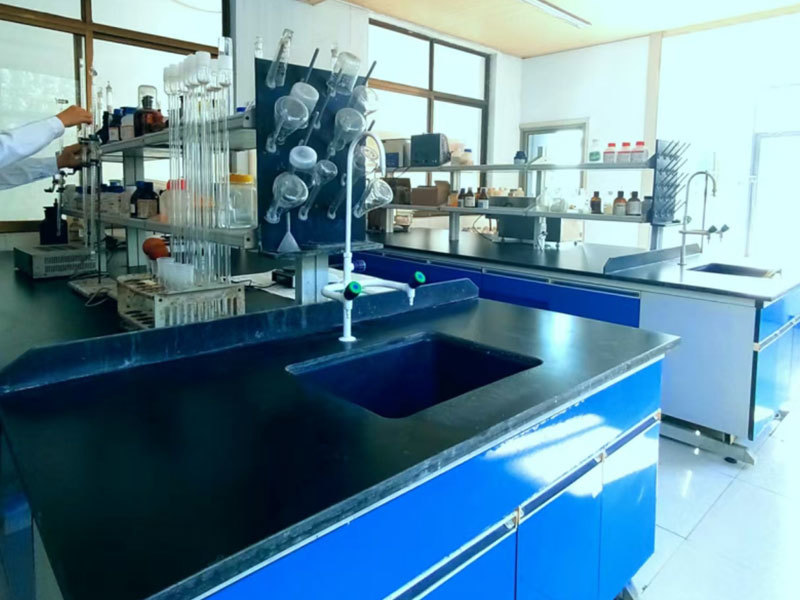
Shade matching and retained samples: the paperwork chain matters as much as the lab result.
Do not rely on a certificate's existence — rely on whether it traces to your specific lot. This is the evidence set we provide with bulk GLIDE™ leather dye shipments, and a reasonable standard to ask of any supplier.
- A batch-numbered Certificate of Analysis covering the parameters the product is specified on: colour strength, moisture, solubility, and the fastness properties relevant to the leather class.
- A retained sample from the shipped lot, so you can compare against a later delivery or a complaint months down the line.
- Colour strength stated against a named reference, not a vague "standard strength". Strength variation is the most common cause of shade drift between deliveries even when the recipe is untouched.
- Fastness data relevant to the leather type — lightfastness for automotive and upholstery, rub and wet-crock for suede and nubuck, flexing for footwear. Test methods should be named so your own lab can reproduce them.
- Regulatory documentation where the market demands it. Ask which specific product families are covered; a company-level claim is not a product-level one.
If you run incoming inspection, keep it simple: dye a swatch of your own crust against the approved standard, compare strength against the previous lot, and check solubility in your own process water. Those three checks catch most problems before production.
Packaging & Shipping Notes for Leather Dyes
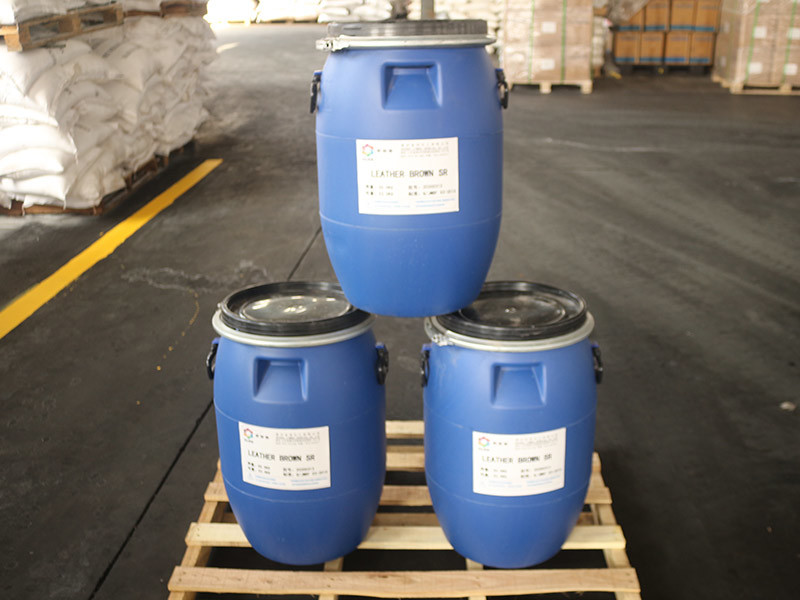
Export packing for dye powder: inner liner plus drum or sack, palletised and marked per lot.
- Inner liner plus outer drum or sack. Dye powder is hygroscopic, and a clumped drum is a slow-motion production problem. Specify the format your operators can dose accurately.
- Moisture and transit conditions. Sea freight through humid routes is the classic cause of caking. Ask about liner integrity and whether a desiccant is justified by the route.
- Lot marking on the outside. Batch number and production date should be visible on the packaging, not only on the documents, so store staff rotate stock correctly.
- Consolidation across dye classes. Mixing leather, acid, and direct dyes in one container is routine, but each product family still needs its own clean document set.
- Pallet and fumigation rules. Wood packaging must meet destination-country requirements. Confirm before dispatch, not at the port.
Five Mistakes Buyers Make on Leather Dye Orders
Pre-Order Checklist
Before you place a bulk leather dye order
FAQ
Can one leather dye work across all my leather types?
Rarely without adjustment. Leather types differ in surface structure and finish, so the behaviour you need — penetration, levelling, rub fastness — changes with them. A dye that suits corrected-grain leather may be a poor fit for open-nap suede. Treat each type as its own selection exercise and dip on the actual crust.
How deep should a dye penetrate on full-grain leather?
Deep enough that flexing and light surface wear do not expose a pale core. The exact depth depends on crust thickness and how much surface finishing will follow. Ask the supplier to demonstrate penetration on a cross-section of your own leather at your drum conditions rather than accepting a general claim.
Why does suede colour crock onto fabric?
Almost always because the dye has deposited on the nap instead of bonding into the fibre, or the shade was built too heavily at the surface. Suede and nubuck need dyes with genuine penetration and good rub fastness, and they should be judged after brushing, not straight out of the drum.
What fastness matters most for automotive leather?
Lightfastness and rub fastness lead, followed by resistance to perspiration and flexing. These hides sit in daylight and under constant mechanical contact for years, so the bar is far higher than for bag or belt leather. Specify the test method and the target level before ordering.
Do I need different dyes for aniline and semi-aniline leather?
The requirement is similar but the tolerance is not. Aniline leather has little or no pigment to hide unevenness, so levelling and migration quality matter more. Semi-aniline's light pigment coat forgives a little more. Both still need good penetration and lightfastness.
How should I test a sample before committing to bulk?
Three checks on your own site: dye a swatch of your actual crust to the approved standard, compare colour strength against the previous lot, and verify solubility in your process water. Then finish the swatch the way production will and judge it under your customer's light source.
What documents should arrive with each bulk shipment?
A batch-numbered COA tied to the shipped lot, the standard commercial documents for the goods, and a retained sample. Where your market requires restricted-substance conformance, the statement should be at product level rather than a general company claim.
The Bottom Line
Leather dye selection is a substrate problem before it is a colour problem. Classify the leather, decide what the finished article must survive, and let those two answers narrow the dye class before you look at a shade card. Then dip on your own crust, under your own drum conditions, and finish the swatch before you judge it. Buyers who follow that order spend their time running production; buyers who skip it spend their time re-dyeing, sorting, and explaining delays to their own customers.
The colour is only half the answer. The other half is whether next quarter's drum behaves exactly like the sample you qualified this quarter — a documentation question as much as a chemistry one.
Send Us Your Crust, Not Just a Colour Chip
Dezhou Jinmao Chemical Co., Ltd. manufactures GLIDE™ dyestuffs in-house — leather, acid, direct, textile, paper, fur and wood dye classes — with batch-numbered COAs, retained samples, and dips run to customer process conditions.
Tell us your leather type, tannage, finish system, and target shade. We will return a dip, a written spec sheet, and an honest answer on whether the fit is right.
Factory: +86 138 6922 6336 | WhatsApp: +44 7895 584241 | Email: info@dyespro.com
Dezhou Jinmao Chemical Co., Ltd.
Manufacturer of GLIDE™ dyestuffs — leather, textile, paper, fur, wood and aluminium dye applications.
Factory: +86 138 6922 6336 | WhatsApp: +44 7895 584241 | Email: info@dyespro.com
www.dyespro.com