Beyond Leather: Can Your Textile & Paper Dye Survive the Process You Actually Run?
Most dye selection advice starts with the fibre — nylon, cotton, viscose, pulp — and stops there. That is where mill expansions go wrong. A dye that exhausts beautifully in a jet can strike unevenly the moment you move it to a padding mangle, and a dye that behaves in a beater-addition line can foam out of the size press. Buyers adding a textile or paper line next to their leather operation usually discover this after the first off-shade lot. This guide takes the opposite approach: start from the process, then choose the dye class that survives it. You get process-by-process selection logic, the parameters that actually matter, the QC evidence to demand before bulk, and the mistakes that cost mills the most money.
Key Takeaways
- Process first, fibre second. Two dyes in the same Colour Index class can behave completely differently in exhaust, padding, continuous, or wet-end addition. Liquor ratio, time, temperature, and mechanical action decide the outcome.
- Exhaust systems reward migration; continuous systems punish it. Exhaust dyeing needs dye to level out over time. Padding lines need it to fix fast and stay put — there is no bath left to correct a strike.
- Paper is a solubility and retention problem, not a fastness problem. High solubility, low foaming, and clean retention at low addition levels matter more than wash fastness.
- Ask for a dip run to your machine's conditions, not a generic shade card. Give the supplier your liquor ratio, pH, temperature curve, dwell time, and water hardness — then judge the dip.
- Every bulk lot should carry a batch number tied to a COA and a retained sample. Without that chain, a quality dispute is your word against the supplier's.
What Is Process-Matched Dye Selection?
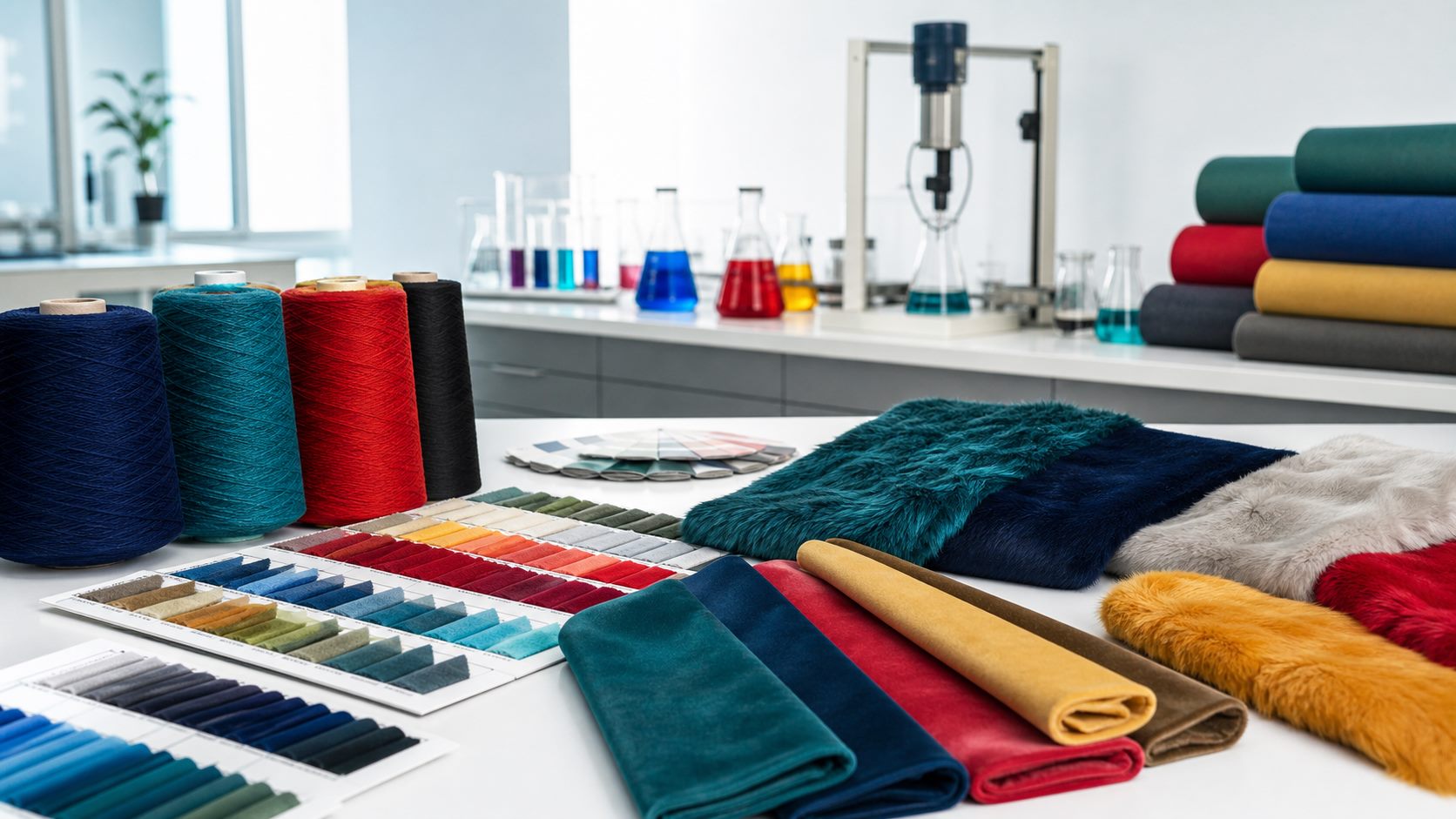
Textile and fur dyeing: the dye class has to fit the machine as well as the fibre.
Process-matched selection means choosing a dyestuff for the way your equipment will deliver it, not only for the substrate it will colour. The same anionic direct dye can be an excellent choice for a cotton exhaust bath and a poor one for a continuous pad-steam line, because the two processes ask completely different things of the molecule.
In an exhaust process, the bath is the buffer. Dye moves from liquor onto fibre over a controlled time-temperature curve, and a dye with good migration levels out small differences in pickup across the load. You can compensate for an aggressive dye by slowing the ramp or adjusting pH. The process forgives small chemistry mismatches.
In padding and continuous processes there is no buffer. The fabric takes up a fixed, often high, percentage of liquor in seconds, then the dye has to fix where it landed. Dyes that migrate well are a liability here — they move to the surface during drying and cause side-to-side shading and poor penetration on heavy fabrics. What you want instead is fast even strike, low migration, and predictable behaviour at high concentration in a small liquor volume.
Paper is a third case. The dye meets pulp in suspension with a very short contact time, competing for retention against fillers, sizing agents, and fines. Solubility at working concentration, low foaming, and affinity for fibre decide whether the shade comes out right — or whether the dye ends up in the white water loop.
Technical Specifications That Decide Process Fit
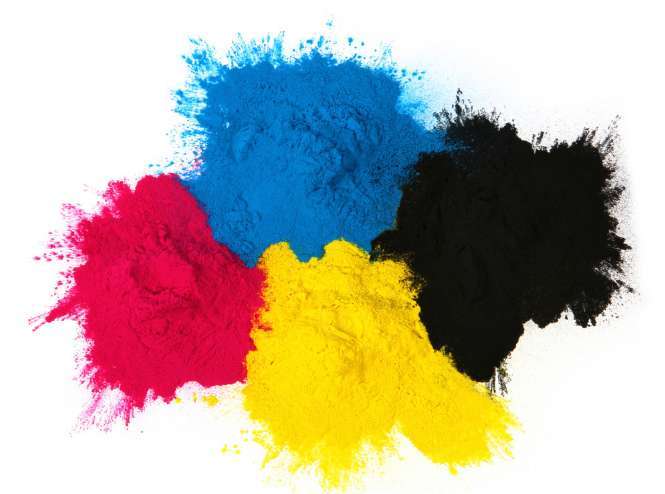
Powder dyes for textile and paper lines — solubility and dusting vary across powder, granular, and liquid forms.
When you evaluate a sample, these are the parameters that predict whether a dye will work in your plant. Ask for each in writing, and test on site whatever you can.
| Parameter | Why It Matters | Where It Bites First |
|---|---|---|
| Solubility (g/L at working temp) | Undissolved dye becomes specking and filter blockage | Padding bowls, paper stock preparation |
| Migration / levelling tendency | Good for exhaust, harmful for continuous | Pad-dry lines, heavy fabrics |
| Strike rate | Too fast = unlevel; too slow = poor fixation | Exhaust ramps, jig and winch work |
| Substantivity / retention | Drives exhaustion % and dye load in effluent | Paper wet end, cotton exhaust |
| Foaming tendency | Foam causes voids and pump cavitation | Paper stock, high-agitation machines |
| pH sensitivity window | Shade shift when process pH drifts | Acid dyeing of nylon and wool |
| Temperature sensitivity | Over-temperature shifts or dulls the shade | Continuous steaming, hot exhaust |
| Electrolyte response (salt tolerance) | Controls exhaustion rate on cellulosics | Direct dyeing of cotton and viscose |
| Physical form and dusting | Operator exposure, dosing accuracy, dissolution time | Manual dosing stations |
Comparison: How Dye Classes Behave Across Processes
The table below maps the main workhorse classes we compound at GLIDE™ onto the processes they suit. It is a starting point for the conversation with your dyehouse or mill technical team, not a substitute for a dip.
| Dye Class | Exhaust (jet, winch, jig, drum) | Padding / Continuous | Paper Wet End |
|---|---|---|---|
| Acid dyes (anionic) | Excellent on nylon, wool, silk; controlled by pH and temperature ramp | Used in continuous nylon carpet and wool piece dyeing; needs fixation control | Unusual choice; low affinity for pulp |
| Direct dyes (anionic) | Good on cotton and viscose with electrolyte control; migration aids levelling | Workable, but migration control and drying uniformity are critical | Widely used for paper and board colouring; strong retention |
| Basic / cationic dyes | Used on acrylic and modified fibres; staining of adjacent fibres is a risk | Limited; mainly specialty effects | Bright shades on paper, often with a fixing agent |
| Metal-complex / 1:2 pre-metallised | Strong on wool and nylon where lightfastness is demanded | Used where fastness justifies the cost | Rare |
| Sulphur / vat (where offered) | Heavy shades on cellulosics; longer cycles | Common in denim-style continuous ranges | Not applicable |
Read the pattern rather than the individual cells. The anionic classes — acid and direct — are the backbone of textile work and cover most leather-adjacent expansions, while direct and basic families carry paper. The process column usually decides which one you can run without new equipment.
How to Choose the Right Dye in Five Steps
- Write down the process envelope first. Liquor ratio or wet pickup percentage, machine type, maximum temperature, pH range, cycle or dwell time, water hardness, and any auxiliaries already in the recipe. This single page defines what "works" means.
- Bring the substrate, not a photo of it. Send actual greige fabric, yarn, or pulp furnish. A dye that performs on a lab swatch of a different construction or pre-treatment can fail on yours. Blends are the usual trap — a 60/40 cotton-poly will not go shade with a cotton-only recipe.
- Ask for a dip under your conditions plus a written spec sheet. Require the dip to be run to your envelope, then dried, finished, and where relevant steamed before it is judged. Compare shade under the light source your customer will use.
- Test the parameters the datasheet claims. Dissolve at working concentration and look for specking. Run a small batch and check for foam. Cut a cross-section if penetration is a specification. If the dip looks right but the bath behaves badly, the dye is still wrong.
- Lock the specification into the commercial documents. Once a dip is approved, record the product family, batch reference, and shade tolerance on the purchase order and the COA. Fixing tolerance in writing converts an approved sample into repeatable supply.
Quality-Control Evidence to Ask For
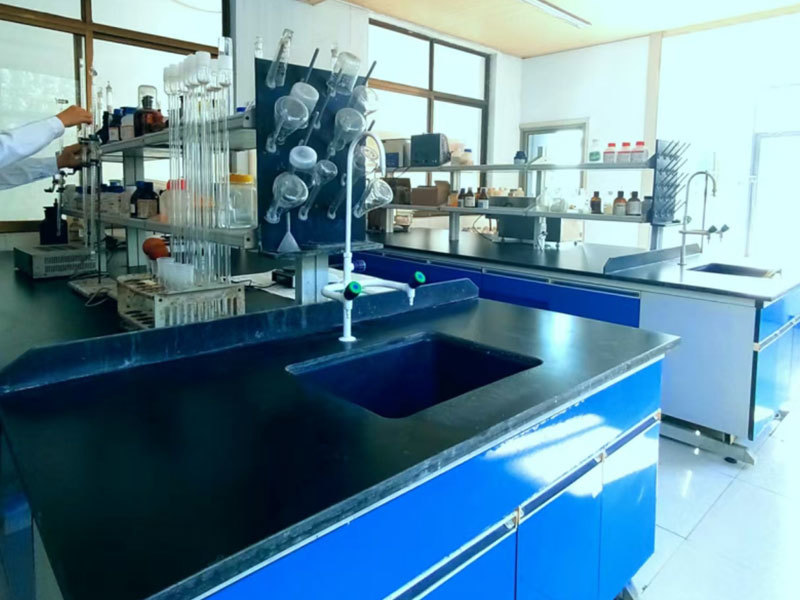
Shade matching and retention samples: the paperwork chain matters as much as the lab result.
Do not rely on a certificate's existence — rely on whether it traces to your specific lot. This is the evidence set we provide with bulk GLIDE™ shipments, and a reasonable standard to ask of any supplier.
- A batch-numbered Certificate of Analysis covering what the product is specified on: colour strength, moisture, solubility, and the fastness properties relevant to the class.
- A retained sample from the shipped lot, so you can compare against a later delivery or a complaint six months later.
- Colour strength stated against a named reference, not a vague "standard strength". Strength variation is the most common cause of shade drift between deliveries even when the recipe is untouched.
- Fastness data relevant to your end use — lightfastness and wash or rub fastness for textiles; light stability and bleed for paper. Test methods should be named so your own lab can reproduce them.
- Regulatory documentation where the market demands it. Ask which specific product families are covered; a company-level claim is not a product-level one.
If you run incoming inspection, keep it simple: shade against the approved standard, strength against the previous lot, and solubility in your own water. Those three checks catch most problems before they reach production.
Packaging & Shipping Notes for Textile and Paper Dyes
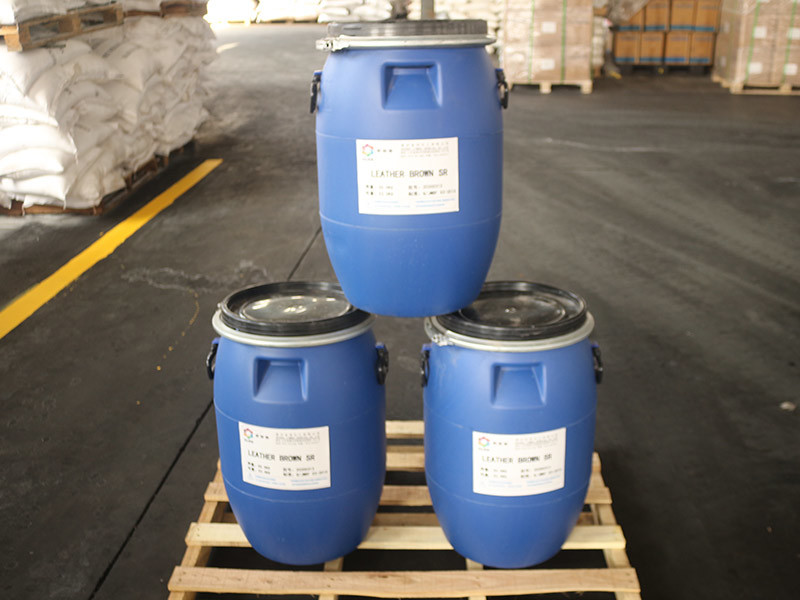
Export packing for dye powder: inner liner plus drum or sack, palletised and marked per lot.
- Inner liner plus outer drum or sack. Dye powder is hygroscopic, and a clumped drum is a slow-motion production problem. Specify the format your operators can dose accurately.
- Moisture and transit conditions. Sea freight through humid routes is the classic cause of caking. Ask about liner integrity and whether a desiccant is justified by the route.
- Lot marking on the outside. Batch number and production date should be visible on the packaging, not only on the documents, so store staff rotate stock correctly.
- Consolidation across dye classes. Mixing acid, direct, and paper dyes in one container is routine, but each product family still needs its own clean document set.
- Pallet and fumigation rules. Wood packaging must meet destination-country requirements. Confirm before dispatch, not at the port.
Five Mistakes Buyers Make on Textile and Paper Dye Orders
Pre-Order Checklist
Before you place a bulk order
FAQ
Can I use the same dye for my leather line and my textile line?
Sometimes, but rarely without adjustment. Leather and textile exhaust dyeing share anionic chemistry, which is why acid and direct dyes appear in both. The differences show up in concentration, pH control, and auxiliaries. Treat any cross-over as a new selection exercise and run a dip on the new substrate rather than assuming the recipe transfers.
What is the single most important thing to tell a dye supplier?
Your process conditions. Liquor ratio or wet pickup, maximum temperature, pH, cycle time, and water hardness determine whether a dye behaves well. Without them, any dip you receive is being run against the supplier's process, not yours.
Why does the shade vary slightly from one delivery to the next?
Almost always colour strength variation between lots, or moisture uptake after a long sea voyage. Both are manageable if the COA states strength against a reference and the packaging keeps moisture out. If neither is controlled, you will be chasing the shade in production.
Do paper dyes need different fastness properties than textile dyes?
Different priorities, yes. Paper grades are usually judged on light stability, resistance to bleed in downstream processing, and brightness per unit of dye. Wash fastness, which dominates textile specification, is largely irrelevant to most paper applications.
How should I test a sample before committing to bulk?
Three checks on your own site: dissolve at working concentration and look for undissolved particles, run a small batch in your actual machine if you can, and compare the finished, dried result against your standard under your customer's light source. A swatch tested in someone else's beaker is a screening tool, not a qualification.
What documents should arrive with each bulk shipment?
A batch-numbered COA tied to the shipped lot, the standard commercial documents for the goods, and a retained sample. Where your market requires restricted-substance conformance, the statement should be at product level rather than a general company claim.
Is it worth consolidating textile and paper dyes with one supplier?
Often yes, if that supplier genuinely manufactures across the families. It simplifies documentation, QC habits, and freight, and gives you one technical contact. The condition is verifying the classes come from the same production discipline — otherwise you have consolidated a broker's paperwork, not the quality system behind it.
The Bottom Line
Expanding beyond leather into textile or paper does not require a new way of thinking — it requires a more disciplined version of the one you already use. Start with the process, not the colour chip. Get the process envelope on paper, insist on a dip that respects it, and make the supplier commit to a strength reference and a batch-numbered paper trail. Mills that do that spend their time running production; mills that skip it spend their time re-dyeing, re-sorting, and explaining delays to their own customers.
The dye class is only half the answer. The other half is whether next quarter's material behaves exactly like the sample you qualified this quarter — a documentation question as much as a chemistry one.
Send Us Your Process Conditions, Not Just a Colour Chip
Dezhou Jinmao Chemical Co., Ltd. manufactures GLIDE™ dyestuffs in-house — leather, acid, direct, textile, paper, fur and wood dye classes — with batch-numbered COAs, retained samples, and dips run to customer process conditions.
Tell us your substrate, machine type, and target shade. We will return a dip, a written spec sheet, and an honest answer on whether the fit is right.
Factory: +86 138 6922 6336 | WhatsApp: +44 7895 584241 | Email: info@dyespro.com
Dezhou Jinmao Chemical Co., Ltd.
Manufacturer of GLIDE™ dyestuffs — leather, textile, paper, fur, wood and aluminium dye applications.
Factory: +86 138 6922 6336 | WhatsApp: +44 7895 584241 | Email: info@dyespro.com
www.dyespro.com