Why Do Two Batches of the Same Dye Perform Differently — And How Do You Catch It Before Your Line Runs?
You approved the lab dip. The first 500 kg performed exactly as promised. Four months later the same product code, from the same supplier, behaves like a different dye: half a shade deeper, slower to dissolve, short on rub fastness at finishing. Nothing on the paperwork changed. This is the most expensive failure mode in dye procurement, because it never shows up at the receiving dock — it shows up in your shade-correction time, your yield, and your customer's claim. This guide explains where batch-to-batch variation comes from, which parameters are worth controlling in writing, how to verify a bulk shipment before it reaches production, and what evidence a Chinese dye manufacturer should document for every drum.
Key Takeaways
- Batch-to-batch variation is normal in any dyestuff plant. Undisclosed variation is the supplier problem — the difference is measurement, tolerance, and willingness to share data.
- "Same shade" is not a specification. Color strength (%), shade difference, moisture, insolubles, and pH are the numbers that decide whether a batch runs on your line without correction.
- Fastness drifts with the batch, not only with the recipe. A changed intermediate lot or a cheaper standardized blend can move rub or wash fastness by a full grade while the shade card looks identical.
- Verify against a sealed, dated master standard — never against the last shipment. A moving baseline is how slow drift becomes your problem instead of the supplier's.
- Agree tolerances, sampling method, retention samples, and a claim procedure in the purchase order. After the drums are open, you have lost your leverage.
What Is Dye Batch Consistency?
A batch is one production run — normally one reactor charge that is filtered, dried, standardized, and packed together. Two batches of the same GLIDE™ product code can differ because of raw-material lots, reaction control, drying curves, milling, and the blending step used to standardize strength. Consistency is simply a supplier's ability to reproduce an approved standard across runs, inside tolerances you both accept in writing.
Two things usually get mixed up here. Dye consistency is whether the powder on your dock matches the powder you qualified. Application consistency is whether your line reproduces the result — which also depends on liquor ratio, pH, temperature, float, and the substrate itself. Fastness sits at the intersection: it belongs to the dyed material, but its repeatability from batch to batch depends on both the dye you bought and how you applied it.
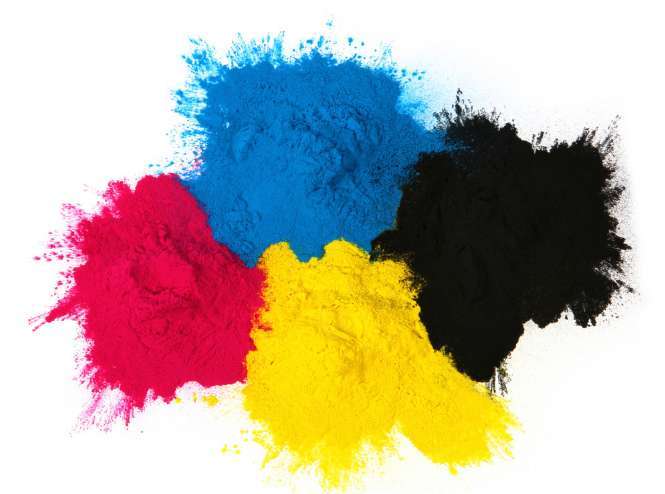
Every shade you buy is a standardized blend — and standardization is where batch-to-batch differences are born and where they are controlled.
Technical Specifications: Parameters Worth Controlling
These are the fields worth putting on your own specification sheet. The tolerances are a negotiation, not a law of nature — agree them per product class and shade, then hold the supplier to your own test method.
| Parameter | Why it matters to you | How it is verified |
|---|---|---|
| Color strength (%) | Over-standard dye overshoots the shade and lands you in correction chemistry; under-standard dye forces recipe changes and changes cost per unit. | Spectrophotometric comparison against the retained standard, or a dyeing test at fixed recipe. |
| Shade / hue (ΔE or visual rating) | Half-shades mean re-dyeing, re-work, or a customer rejection on an approved color. | Spectrophotometer ΔE under D65, or visual grey-scale rating against the master standard on your substrate. |
| Moisture content | Water is dead weight: it dilutes effective strength and promotes caking in storage. | Gravimetric / oven method on a sealed sample from the drum. |
| Insolubles and sieving | Spots and specks on finished leather; clogged filters and dosing lines in automated plants. | Filtration residue test plus sieve analysis for particle size distribution. |
| pH of standard solution | Shifts exhaustion and final shade on chrome leather and on wool; matters most when you run tight, low-float recipes. | pH meter on a solution made to an agreed concentration. |
| Dissolution time | Slow-dissolving batches extend cycle time and can leave undissolved dye on the goods. | Stirred dissolution test at your working temperature. |
| Fastness re-test (rub, light, wash) | Catches recipe or intermediate changes that a shade card cannot reveal. | ISO 105 series for textiles, ISO 11640/11642 for leather, on the substrate you actually dye. |
Comparison of Options: How to Verify a Batch
Verification is a stack of layers, not a choice between them. Each layer catches a different failure.
| Method | What it catches | Effort | Use it when |
|---|---|---|---|
| Visual shade match vs. retained master | Gross shade shift, cross-contamination, wrong product code in the drum | Minutes; needs a light booth or north-facing window at D65 | Every shipment, every drum lot |
| Batch-numbered COA review | Documentation gaps, missing test data, batch traceability failures | Minutes against your spec sheet | Every order, before the goods ship |
| Spectrophotometric ΔE | Small hue and strength shifts the eye forgives but the customer does not | Instrument plus a trained operator | Repeat orders and brand-critical shades |
| Application lab dip on your substrate | The combined effect of dye batch plus your process — including fastness | Half a day in the lab | First batch of a new code, and after any supplier process change |
| Third-party laboratory testing | Independent fastness and restricted-substance results | Per-test fees; days to weeks | Customer-mandated reports, new suppliers, disputes |
How to Choose the Right Option: 5 Steps
- Fix a master standard and retain it on both sides. Seal a sample of the approved batch, label it with product code, batch number, and date, store it dark and dry, and ask your supplier to retain the same batch. Every later comparison is made against that fixed point — not against whatever arrived most recently.
- Write tolerances into the spec sheet and the PO. Name the property, the method, the substrate, and the limit — for example, "strength within ±3% of retained standard; rub fastness to ISO 11640 dry, minimum 3–4." Vague wording like "commercial match" gives you nothing to enforce.
- Require a batch-numbered COA before shipment. It must carry the product code, batch/lot number, production date, and measured values. A generic, undated certificate breaks the documentation chain before the container is loaded.
- Run receiving verification on arrival. Match the COA batch number to the drum markings, inspect the liners, check shade against your master standard, and run one application test on your own substrate. This is where a supplier who swapped raw materials between sample and bulk gets caught.
- Log the drift, not just the failure. Record strength, shade, and fastness results batch by batch. Three batches drifting the same way is a supplier conversation you can win with data; one rejected delivery is a negotiation you will usually lose.
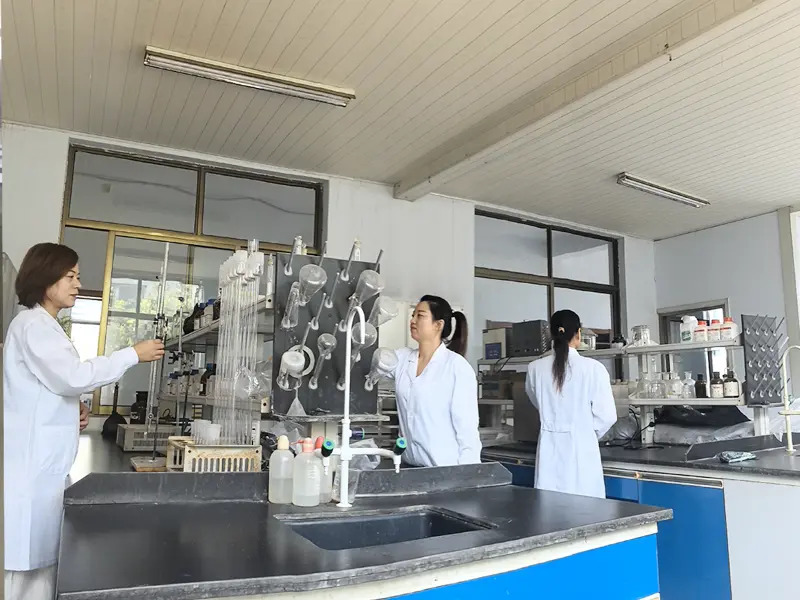
Batch verification starts in the mill's own lab: standardized strength, documented shade, and retained samples for every production run.
Quality-Control Evidence: What to Ask For
Ask for these four things and you will separate mills that measure from mills that only promise.
- A batch-numbered COA, every time. Product name and code, batch/lot number, production date, net weight, strength, moisture, insolubles, pH, and fastness results with the standards used. The numbers on the certificate must be traceable to the labels on your drums.
- A retention-sample policy, in writing. Where are reference samples kept, for how long, and can the mill re-test a retained sample if a dispute arises? This one question tells you more about a supplier's QC culture than any brochure.
- A method statement for their lab. Which test standards the in-house laboratory works to, which instruments it uses, and whether it takes part in any inter-laboratory comparison programme. A mill that knows its own methods is a mill that can reproduce results.
- Restricted-substance conformance for the exact product code. For regulated markets, batch documentation should be paired with a ZDHC MRSL conformance declaration naming the product — not a company-level claim that covers "our range." GLIDE™ dyes are produced under documented quality control and ZDHC conformance at the Dezhou Jinmao Chemical factory, and product-level documents are available on request.
Packaging & Shipping: Protecting the Batch You Paid For
Moisture is the main enemy of dyestuff powder: it dilutes strength, causes caking, and in some classes permanently changes solubility. Standard export packing from our factory is 25 kg sealed bags or fibre drums with an internal polyethylene liner, and the drum label carries product code, batch number, production date, and net weight so your receiving team can cross-check the COA without opening anything.
Before you sign the delivery note, check for torn liners, swelling, staining on the pallet, and water damage, and photograph anything suspect — a damaged drum noted after the truck leaves is a freight claim you will not win. Keep the COA with the batch record, store drums cool and dry off the floor, reseal opened drums immediately, and rotate first-in-first-out so old batches do not become next year's variation problem.
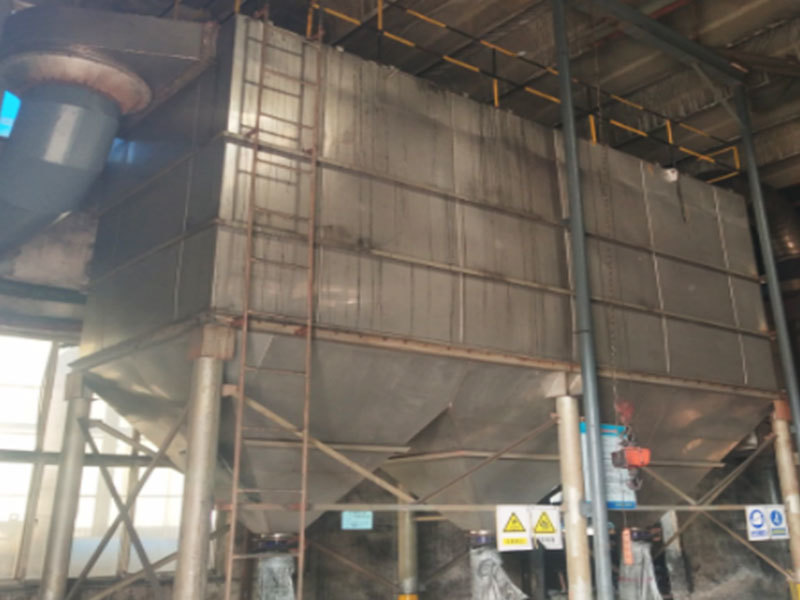
Standardization and packing happen at the same plant — which is why batch data can be traced back to the drum you received.
Common Buyer Mistakes
Buyer Checklist: Batch Verification for Bulk Dye Orders
Before ordering
At receiving
Frequently Asked Questions
Is batch-to-batch variation in dye normal?
Yes. Any plant working with raw materials, reactors, and drying equipment produces run-to-run variation. What matters is whether the variation is measured, kept inside an agreed tolerance, and disclosed on the COA. Unmeasured variation is the problem — not variation itself.
What color strength tolerance should I ask for?
It depends on the dye class, the shade depth, and your end use. Buyers frequently open at roughly ±2–3% strength against a retained standard and a ΔE limit near 1.0 measured on their own substrate, then negotiate tighter for automotive or upholstery work. Always confirm the real effect with a dyeing test rather than trusting the instrument alone.
Can I keep using the same recipe for every batch?
Only while the strength holds. The safer habit is to treat each batch's measured strength as a correction factor and adjust your recipe accordingly. Plants that assume batches are identical spend the difference in shade-correction chemicals and re-work.
Does batch variation affect fastness too?
It can. Rub, wash, and light fastness are sensitive to intermediates, the degree of standardization, and aftertreatment. When a supplier changes intermediates or a blend, re-test fastness on your substrate — a shade card will never reveal that change.
How do I judge whether a supplier's lab is credible?
Ask for four things: the test standards the lab works to, the instruments used, the retention-sample policy, and whether it participates in inter-laboratory comparisons. A supplier who answers these precisely has a lab; one who answers vaguely has a certificate on the wall.
What should I do when a batch fails verification?
Stop the batch from entering production, seal and label the retained samples, keep the drums and their labels intact, and send the failing test report to the supplier the same week. A claim procedure agreed before shipment turns this into a routine replacement; without one it becomes a dispute.
Does GLIDE™ document every production batch?
Yes. GLIDE™ orders ship with a batch-numbered certificate of analysis, and the plant retains reference samples so a delivery can be traced back to its production run. Pre-production sample packs are available so you can set your master standard before committing to bulk volume.
Verify the Batch Before You Commit to Bulk
Send us your product code, substrate, and fastness targets. We will return a specification sheet, a pre-production sample with a batch-numbered COA, and the documents your quality team needs to approve GLIDE™ dyes with confidence.
Factory: +86 138 6922 6336 | WhatsApp: +44 7895 584241 | Email: info@dyespro.com
Conclusion
Dye batch variation is not a scandal — it is chemistry, equipment, and raw materials doing what they always do. What turns it into a cost on your balance sheet is the absence of a fixed standard, a written tolerance, and a receiving test. Fix those three things and the question stops being "did this batch look right on the dock?" and becomes "does this batch match the standard we both signed off on?" That is a question a reputable Chinese dye manufacturer can answer with documents, retained samples, and data.
Dezhou Jinmao Chemical Co., Ltd.
Manufacturer of GLIDE™ dyes — leather, textile, fur, paper, wood and aluminium dyeing.
Factory: +86 138 6922 6336 | WhatsApp: +44 7895 584241 | Email: info@dyespro.com
Web: www.dyespro.com