Buying Leather Dyes from China: How to Vet Suppliers, Verify Quality, and Avoid Costly Mistakes
Chinese dye prices look attractive on paper, but the real cost shows up later: a batch that drifts off shade, a certificate that does not survive your customer's brand audit, or a "manufacturer" that turns out to be a trading desk with no lab. For procurement managers, the risk is not finding a supplier — it is finding one you can still trust after the third order. This guide covers the sourcing cycle: qualifying a factory, approving lab dips, agreeing payment terms, and checking the batch before it ships.
Key Takeaways
- Confirm the supplier is a real manufacturer — a factory tour (on-site or video) and a look at production equipment separate factories from trading companies.
- A batch-numbered COA is the minimum quality document; a generic COA without a batch number tells you nothing about your shipment.
- Always order lab dips before bulk — shade and strength can drift between batches, and only a dip under your process conditions reveals it.
- Put ZDHC/MRSL compliance in writing before you order, not when your customer's compliance team asks for it.
- Commercial terms — MOQ, Incoterms, payment, lead time, and inspection rights — protect you more than any verbal promise.
What Is Leather Chemical Procurement?
Leather chemical procurement is the process of sourcing the dyes, fatliquors, retanning agents, finishes, and auxiliaries a tannery needs — at a predictable quality, price, and delivery schedule. Dyes are the most sensitive item on that list. A fatliquor slightly off spec still works; a dye batch 10% weaker or half a shade greener ruins the whole production run.
Buying from China adds three layers to the job. Distance: you cannot walk into the warehouse to check a batch, so documentation and inspection clauses carry more weight. Supplier ambiguity: thousands of dye "suppliers" exist, but only a fraction operate their own synthesis and finishing lines. Compliance: EU-bound leather must meet MRSL limits, and the dye's documentation has to prove it.
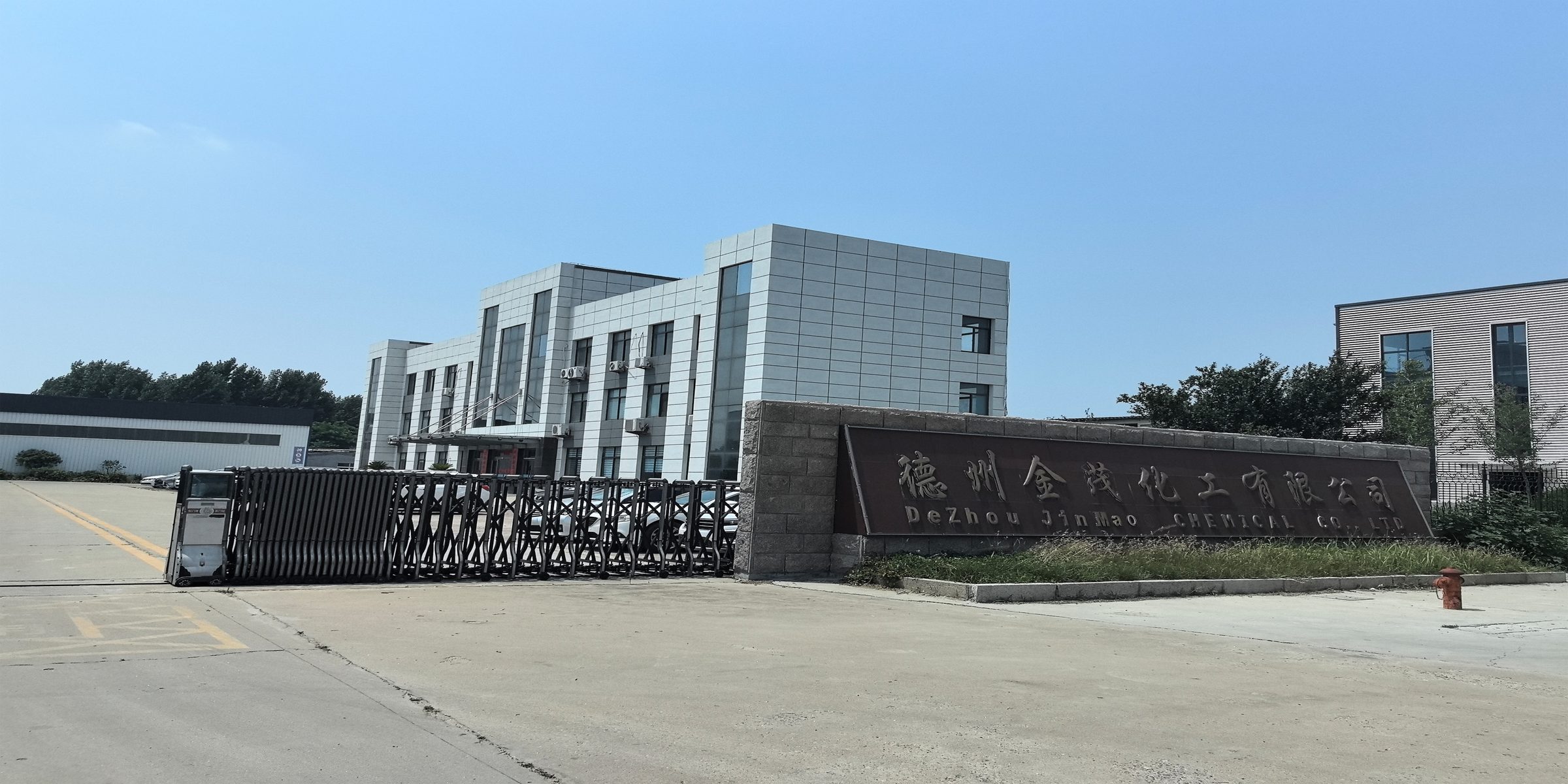
Ask any shortlisted supplier for a live look at their production floor before you commit to bulk.
Technical Specifications: What to Request in Your RFQ
A professional RFQ (request for quotation) is the fastest way to separate serious suppliers from resellers. Resellers can quote a price, but they struggle with detailed technical sheets. Send this specification table with every inquiry — a supplier with a real lab will fill it out in a day.
| Specification | Why It Matters | What to Check |
|---|---|---|
| Dye class (acid, direct, metal-complex) | Determines compatibility with your leather type and process | Match with your existing formula before anything else |
| Color Index (CI) number | Identifies the exact dye chemistry — the language both labs share | Confirm it matches the product you currently use |
| Strength (e.g., 100%, 200%) | Sets your dosing rate; a weak batch under-colors the leather | Verify by lab dip, not by the label |
| pH of 1% solution | Affects dyebath stability and leveling | Must sit inside your process window |
| Solubility (g/L) | Poor solubility causes specks and unlevel dyeing | Test at your working temperature |
| Lightfastness and rub fastness grades | End-use requirements for automotive, furniture, footwear | Compare against your customer's minimum grades |
| MRSL / ZDHC conformance | Required by most EU and US footwear/fashion brands | Request the conformance statement, not just the claim |
| Batch size and COA availability | Determines lot consistency across your bulk order | Every batch should carry its own numbered COA |
Comparison of Sourcing Options
You can buy through several channels. Each has its place; the mistake is choosing the wrong one for your order size and risk tolerance.
| Option | Advantages | Drawbacks | Best For |
|---|---|---|---|
| Direct manufacturer (e.g., GLIDE™ dyes) | Best price, batch traceability, direct technical support, compliance documents from the source | Higher MOQ, longer lead time, requires more vetting effort up front | Regular bulk buyers with defined specs |
| Trading company | Low MOQ, one supplier for many products, handles export paperwork | Price markup, limited technical depth, batch origin less transparent | Small mixed baskets, first-time orders |
| Online marketplace (Alibaba, etc.) | Easy comparison, buyer protection escrow on some platforms | Variable quality, many listings are traders, hard to verify claims | Initial contact and price discovery only |
| Local distributor in your country | Fast delivery, local language support, easy claims | Highest cost, dependent on the distributor's own stock discipline | Urgent small replenishment |
Most tanneries settle on a hybrid: a direct manufacturer for high-volume workhorse dyes, and a trader or distributor for small specials and emergency top-ups.
How to Choose the Right Supplier: 5 Steps
- Write your spec before you contact anyone. CI number, strength, target fastness grades, pH window, MRSL requirement, and annual volume. A clear spec filters out suppliers who cannot match it.
- Shortlist 3–5 suppliers and verify manufacturing status. Ask for the business license, factory address, and a video tour of the production and warehouse areas. Cross-check the license address against the location they ship from.
- Request a technical dossier. Batch-numbered COA, SDS, test methods, and ZDHC/MRSL conformance statements. Compare the claimed numbers, not just the price lines.
- Order lab dips and run them under your process. Send 100–500 g samples per shade, dye them on the exact leather you use, and measure strength and shade against your standard. Never approve a supplier on powder color alone.
- Agree commercial terms in writing. MOQ, Incoterms, payment schedule, production lead time, and your right to pre-shipment inspection — plus who pays if a batch fails inspection.
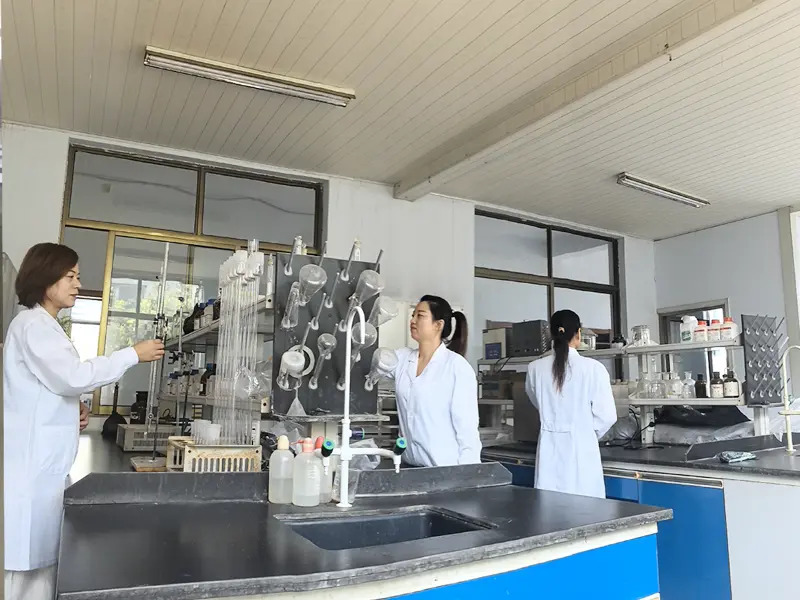
A supplier with its own lab can answer your technical questions with data — that is the sign to keep them on the shortlist.
Quality-Control Evidence: What to Ask For, Not What to Believe
Every supplier claims good quality. The evidence is what separates them. Before your first bulk order, ask for these four things:
- A batch-numbered COA from a recent shipment. Every batch should have a unique number with measured values for strength, pH, moisture, and fastness. A COA without a batch number is a template, not a record.
- The SDS for the exact product. Check that the dye class, CAS number, and dangerous-goods classification on the SDS match the product you are buying.
- A ZDHC conformance statement or gateway listing for the products that claim compliance. The listing can be verified online; a screenshot is not proof.
- Third-party test reports or an invitation to audit. A factory that welcomes an audit is confident about its process.
At GLIDE™ Dyes, every shipment leaves the Dezhou factory with a batch-numbered COA, and our lab verifies strength and shade on each production batch before packing. ZDHC Level 3 conformance is available for listed products on request — ask for a sample COA and the conformance statement with your quotation. We do not publish customer-specific data, and we encourage every buyer to verify with their own lab dips.
Packaging & Shipping: What Arrives Is What You Specified
Dye powder is hygroscopic — it absorbs moisture, and wet dye cakes, clumps, and loses strength. Standard export packing is 25 kg net in double PE-lined bags inside fibre drums or cartons, palletized and stretch-wrapped. ISPM 15 heat-treated pallets are required for most destinations; confirm it in writing so the pallets are not rejected at your port. Most acid, direct, and leather dyes are not dangerous goods, but some metal-complex products fall under UN 3077 Class 9 — check the SDS and book freight accordingly.
A typical export file contains the commercial invoice, packing list, bill of lading, batch COA, SDS, and certificate of origin. For leather dyes from Dezhou Jinmao Chemical Co., Ltd., production lead time is normally 7–15 days after deposit confirmation, then 25–40 days by sea to EU or US ports; air freight is available for urgent small orders at higher cost.
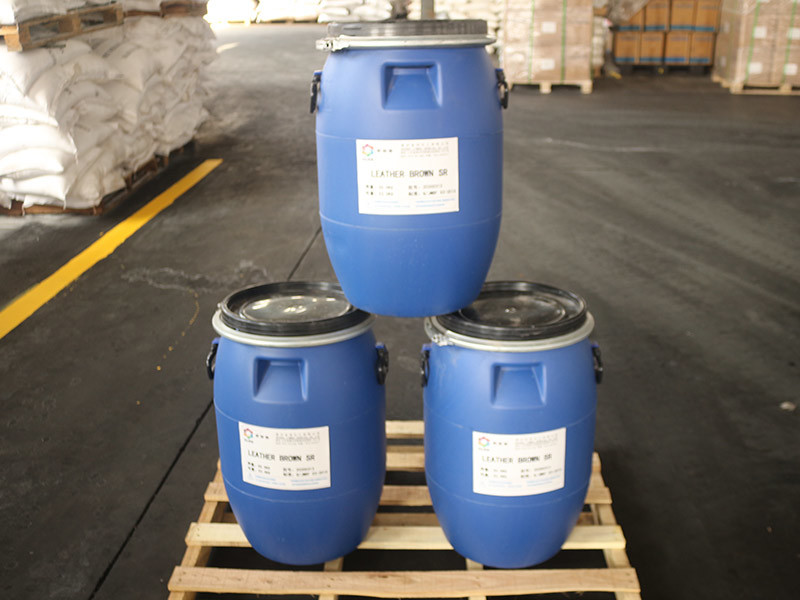
Sealed PE liners and drum packaging keep hygroscopic dye powder dry across a 30-day sea voyage.
Common Buyer Mistakes (and How to Avoid Them)
Buyer Checklist: Before You Place the Order
Procurement Checklist
FAQ
How do I verify a Chinese dye supplier is a real manufacturer?
Ask for the business license, the production address, and a video tour of the production and warehouse areas. A genuine factory will show reactors, drying and milling equipment, and packed stock.
What is a typical MOQ for leather dyes from a Chinese factory?
Direct manufacturers typically quote MOQs around 500–1,000 kg per shade, while trading companies accept much smaller lots. At GLIDE™ Dyes, we discuss MOQ per shade during the RFQ stage — it depends on the product and your forecast.
What payment terms do Chinese dye suppliers accept?
Common terms are 30% T/T deposit with the balance against scanned shipping documents, or an irrevocable L/C at sight for larger orders. Some suppliers accept payment against a pre-shipment inspection report on first orders. Avoid 100% in advance without inspection rights.
Can I order small samples for lab testing before bulk?
Yes — serious manufacturers send 100–500 g lab samples per shade. Test them on your actual leather under your process conditions. Confirm in advance whether the sample is free or charged.
How long does production and delivery take?
Production is typically 7–15 days after deposit confirmation, then 25–40 days by sea to EU or US ports; air freight is available for urgent orders. Confirm the lead time in writing before you order.
Do you provide ZDHC Level 3 documentation?
ZDHC Level 3 conformance is available for listed GLIDE™ products. Request the conformance statement and a sample batch COA with your quotation, and verify the gateway listing before your bulk order.
What if the bulk batch does not match the lab dip?
That is exactly what the pre-shipment inspection and the batch COA are for. The supplier should rework or replace the batch, or you reject it before it ships. Agree this remedy in writing at the quotation stage — not after a problem appears.
Conclusion: Procurement Is a Process, Not a Price Hunt
Buying leather dyes from China works well when you treat it as a structured process: define the spec, verify the manufacturer, test the samples, confirm compliance in writing, and inspect before shipping. The suppliers that survive that process are the ones worth keeping — they are also the ones with real labs and real batch records. Do the vetting once, and every order after it gets easier.
Talk to the GLIDE™ Dyes Team
We are the manufacturer behind GLIDE™ dyes — Dezhou Jinmao Chemical Co., Ltd. — and we supply leather, textile, and paper dyes worldwide with batch-numbered COAs and ZDHC documentation.
Send us your spec or ask for lab samples: we reply within one business day.
Factory: +86 138 6922 6336 | WhatsApp: +44 7895 584241
Email: info@dyespro.com | www.dyespro.com
Dezhou Jinmao Chemical Co., Ltd. — Manufacturer of GLIDE™ dyes (acid, direct, leather, textile, paper, fur, wood dyes).
Factory: +86 138 6922 6336 | WhatsApp: +44 7895 584241 | Email: info@dyespro.com
© 2026 Dezhou Jinmao Chemical Co., Ltd. — www.dyespro.com